Living Dance

Sounds and Vibrations in Relational Spaces
Living Dance
Sounds and Vibrations in Relational Spaces
project 2026

concept, design, sound and technological systems Vanessa Vozzo
dj Andrea Ballo
scientific consultant Irma Milanese


03 March 2026
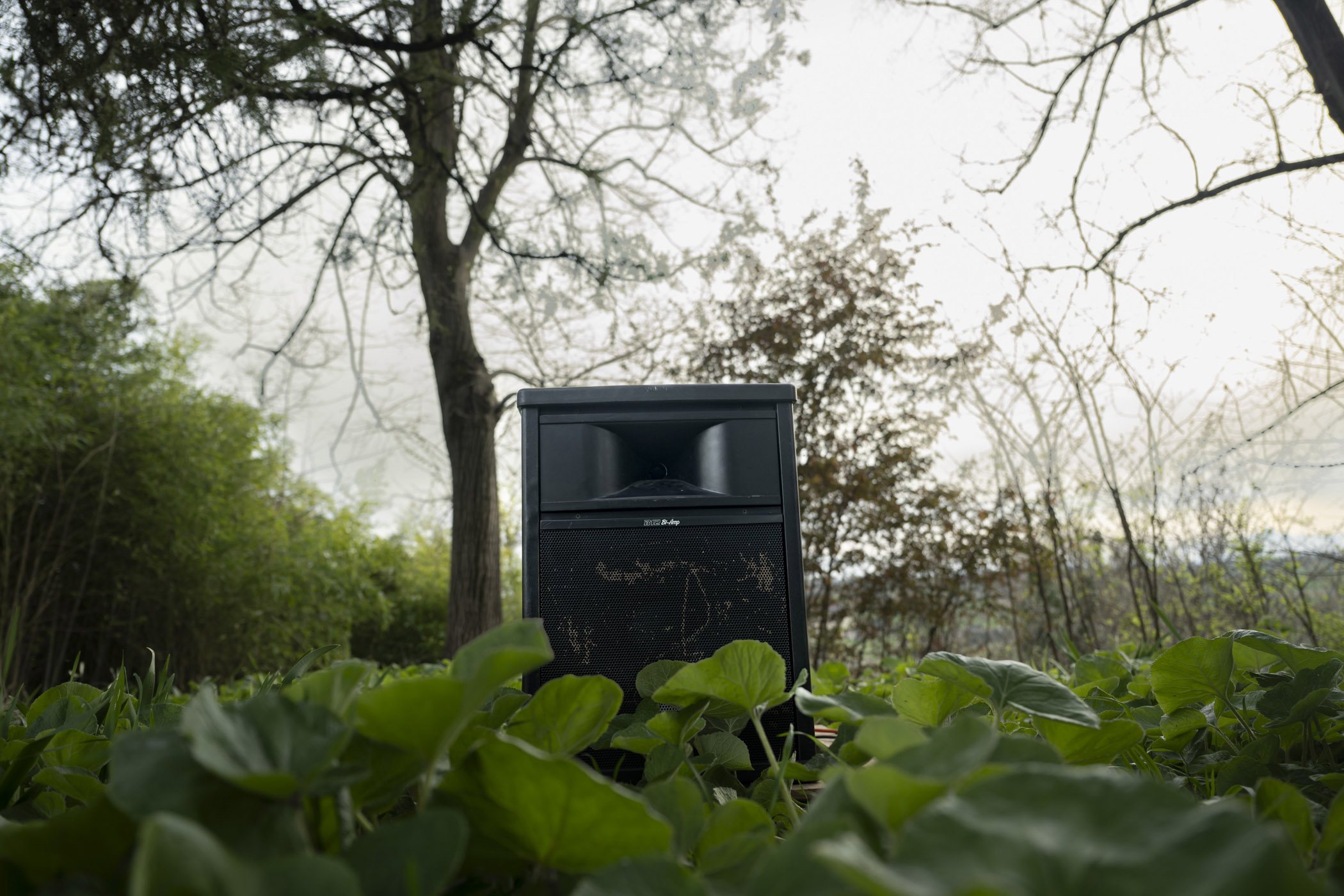
Living Dance. Sounds and Vibrations in Relational Spaces is conceived specifically for communities experimenting with new political and governance models. The project now seeks to extend this research beyond intentional communities, involving museums, cultural institutions, collectives and diverse publics interested in forms of deeper democracy. It creates a space for relational training grounded in the principles of living systems, exploring how feedback, interdependence, adaptation, cooperation and self-regulation might inform both collective relationships and emerging democratic practices, such as sociocracy.

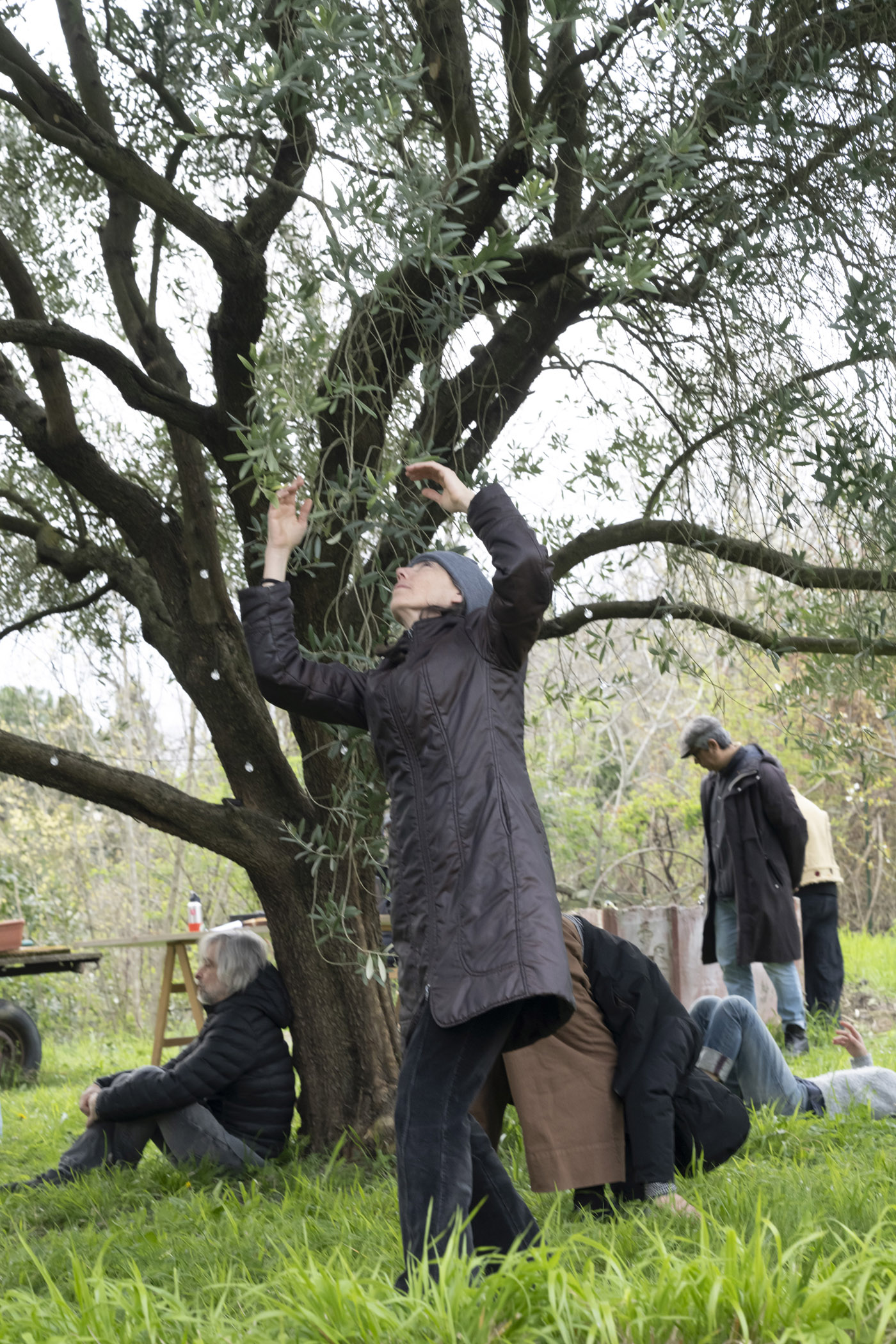
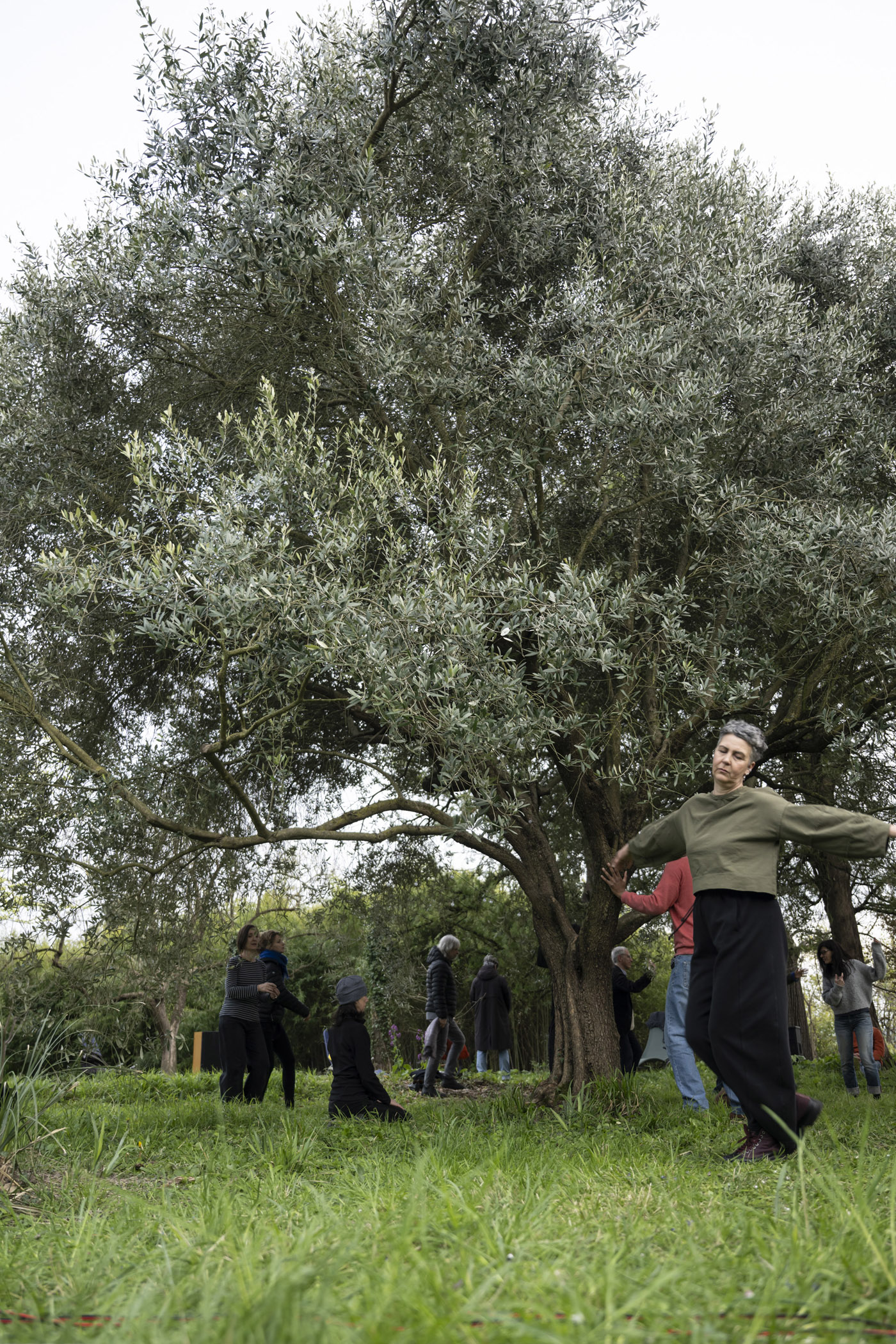
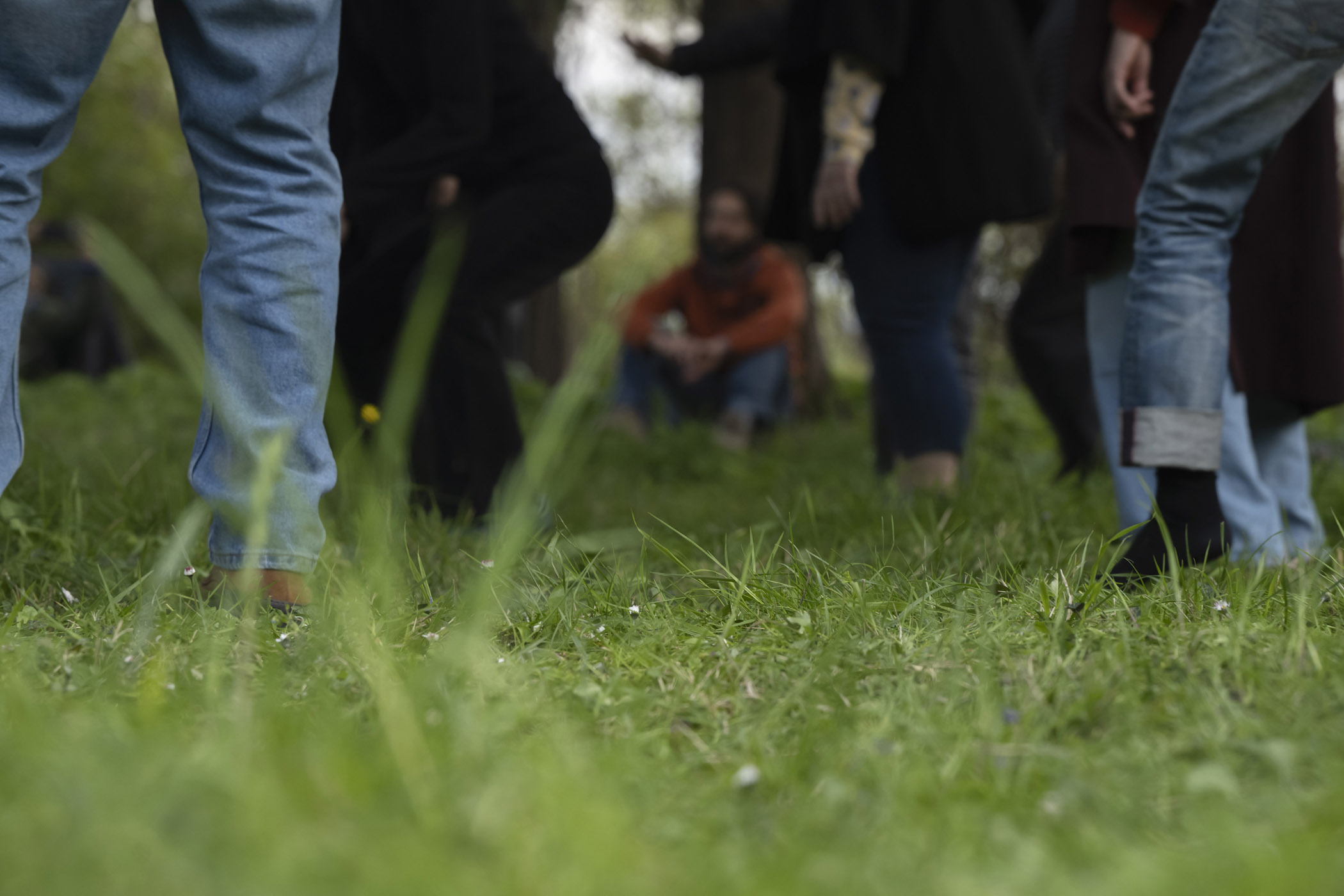
Rather than presenting a finished artwork, Living Dance operates as an evolving political and multispecies relational environment. Its form is continuously reshaped through encounters with different communities, participants, living organisms and contexts. Artistic practice becomes a way of preparing bodies and relationships before entering the verbal space of assemblies, governance meetings and decision-making processes: a shared exercise in attention, listening, responsiveness and co-presence.

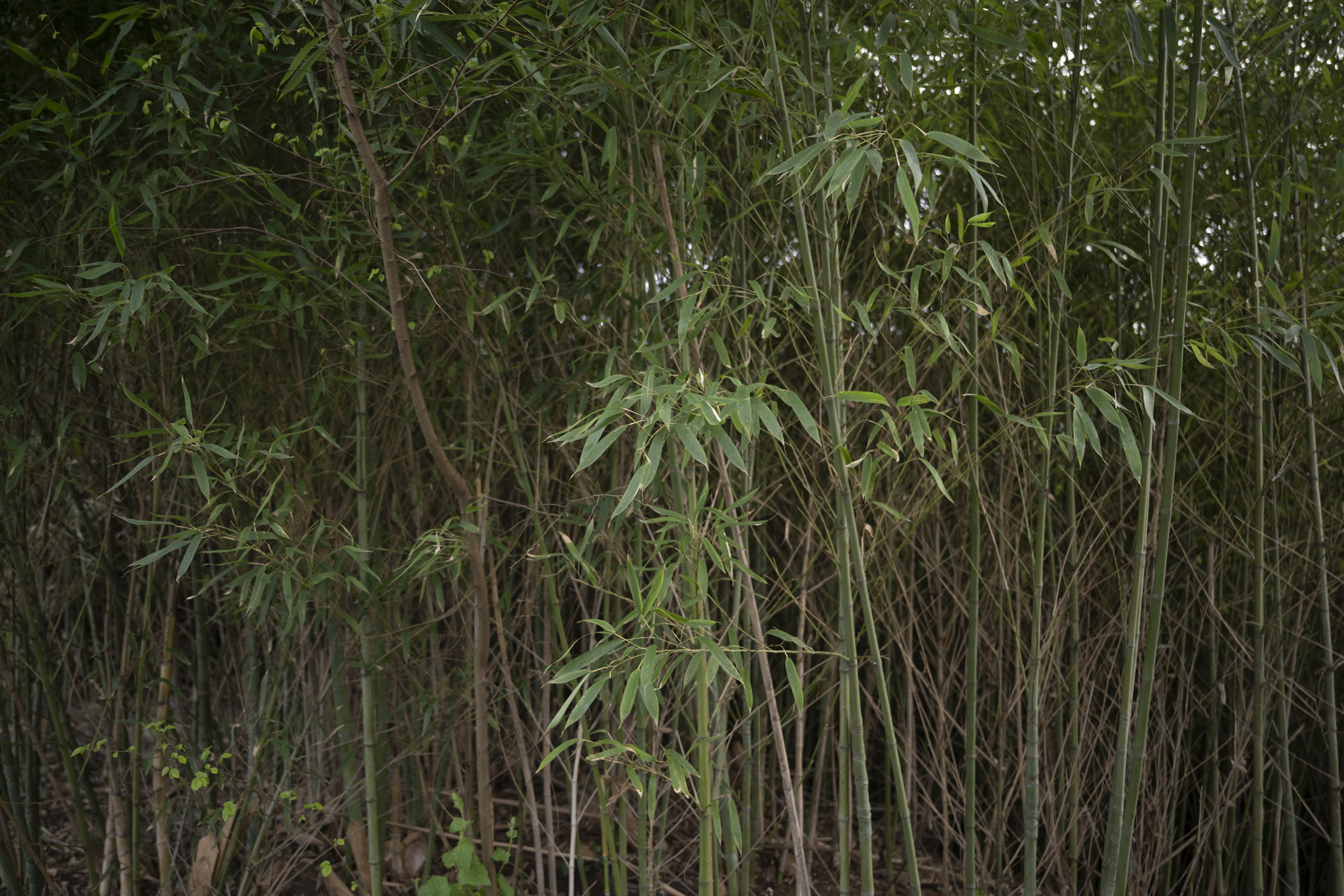
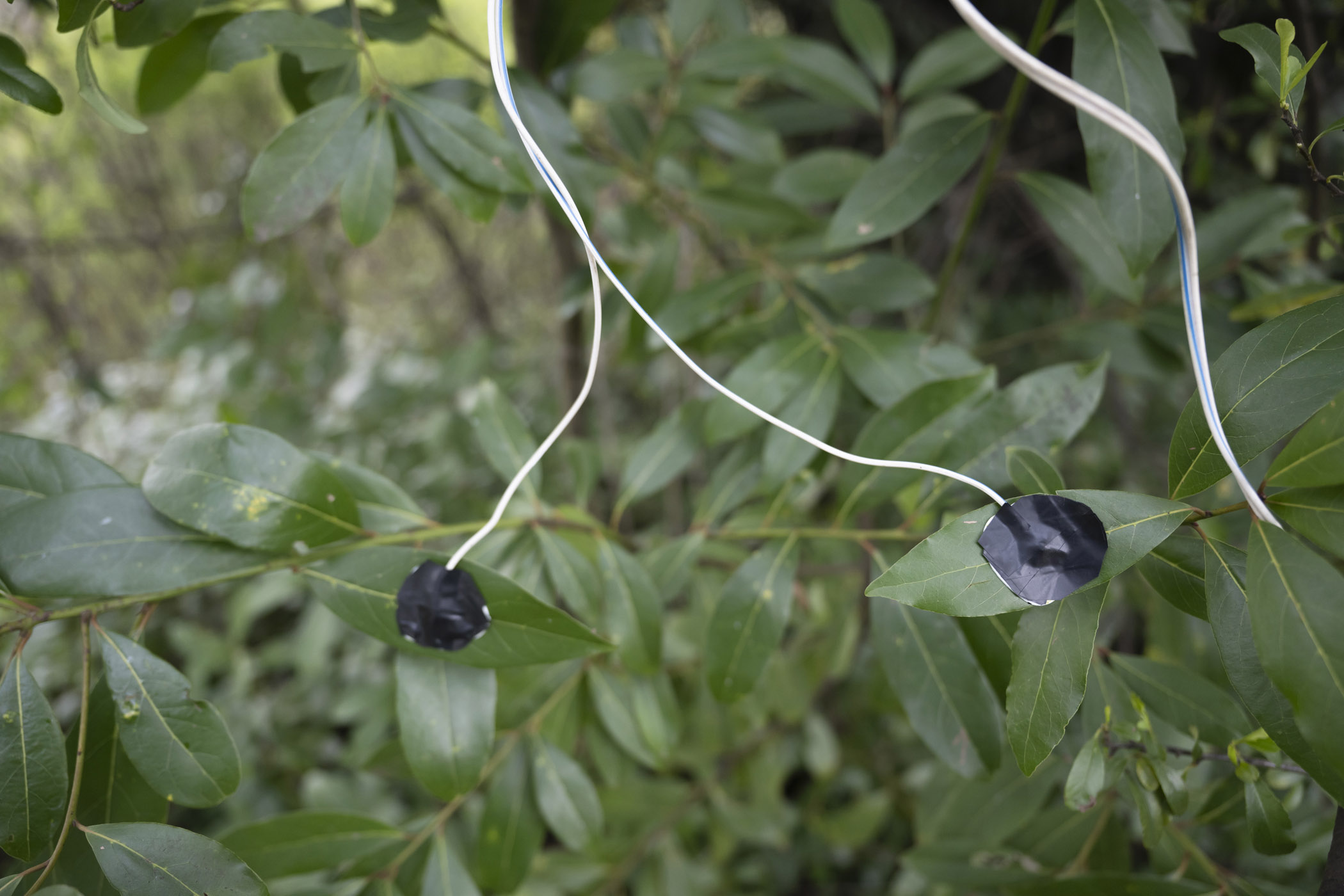
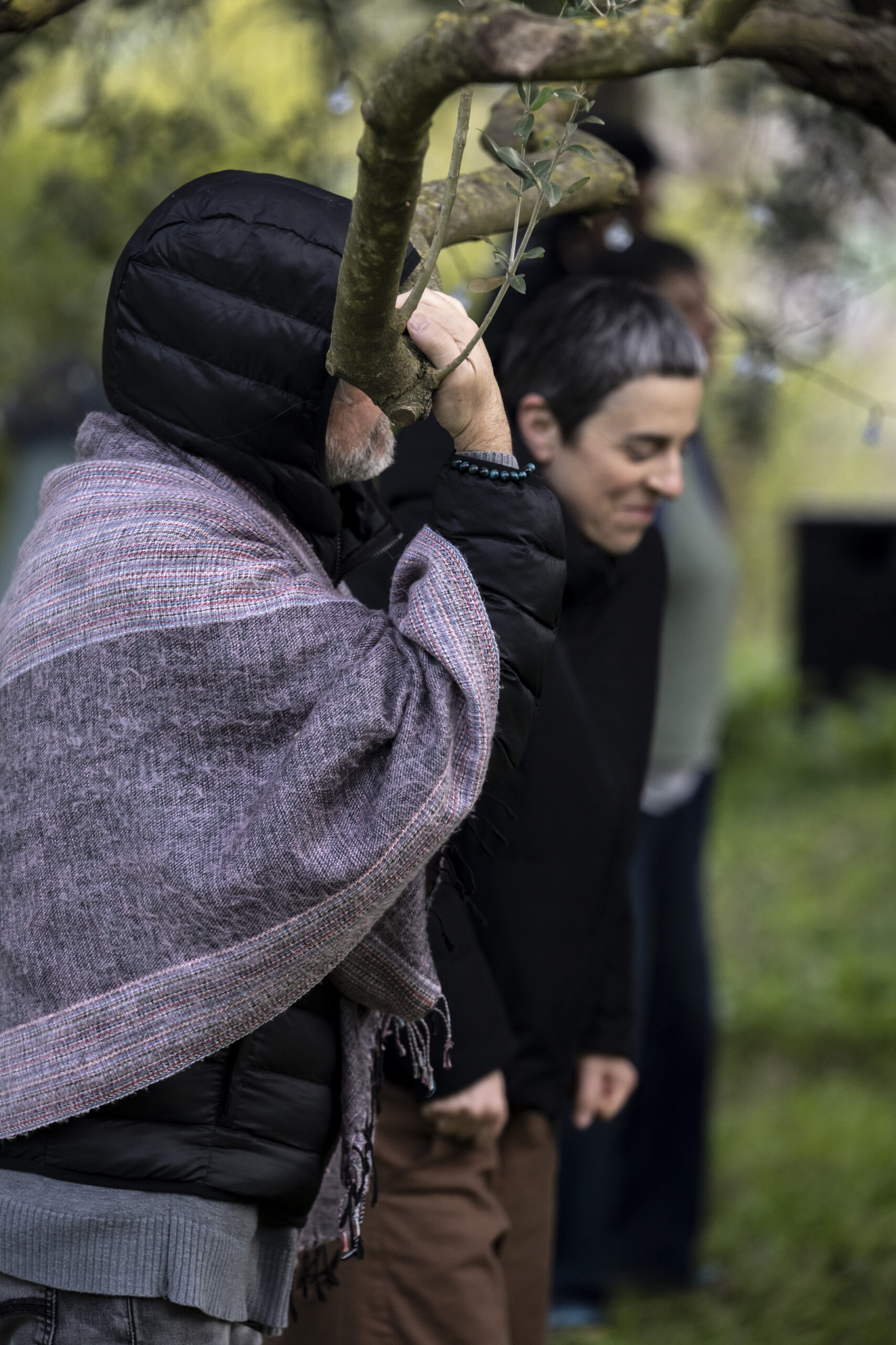
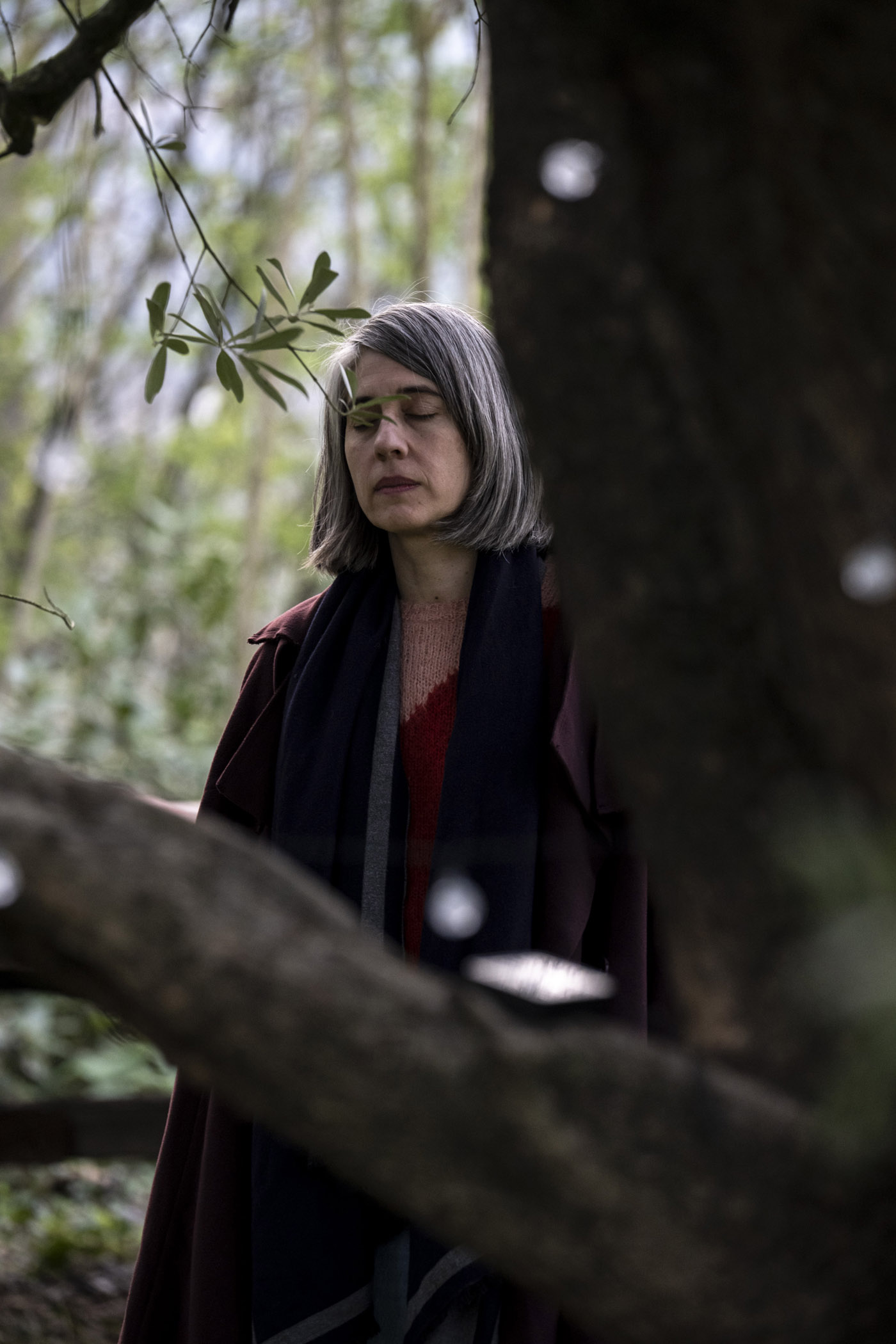
The project brings humans, plants, technological systems and non-organic elements into a common sensory field. Sound, vibration, movement and biofeedback gradually shift attention away from the isolated individual towards an awareness of the relations through which every living system is constituted. Plant electrophysiological signals and human brain activity contribute to a dynamic environment in which biological and computational processes continuously affect one another.

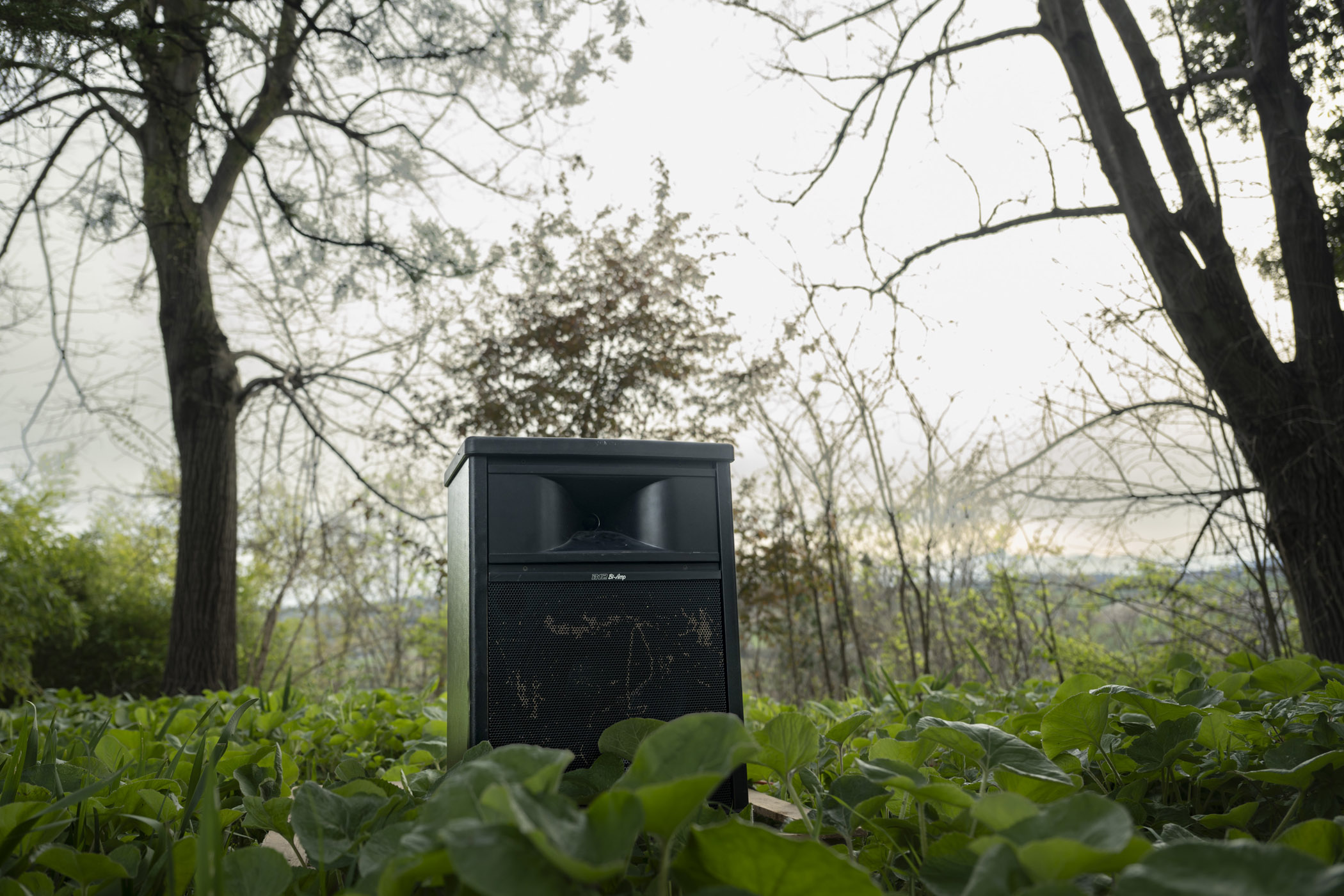
Sound is not employed as an atmospheric accompaniment but as biological, perceptual and relational matter. A central component of the project consists of proteodies: musical sequences generated by translating the amino-acid structures of selected plant proteins into sound. Developed in dialogue with scientific collaborators, these compositions connect molecular organisation, vegetal physiology and auditory perception, opening a speculative space of communication between animal and vegetal life. Alongside the proteodies, the system collects plants’ electrophysiological and ecoacoustic activity and translates it into sonic variations, interference and vibration. Human EEG signals can also enter this shared field, allowing plant, human and computational data to participate in the continuous modulation of the environment.

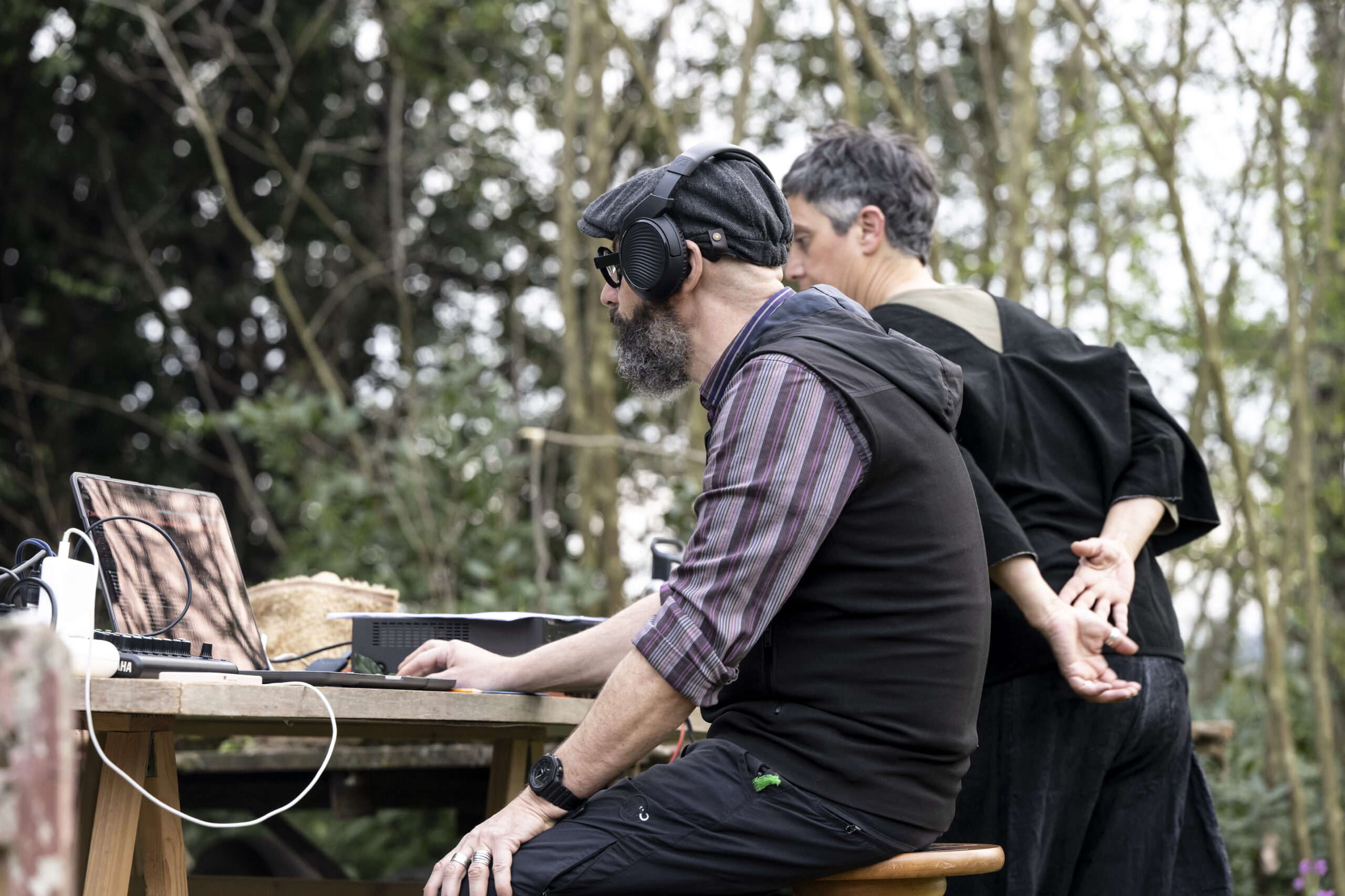
Technology therefore does not function merely as an instrument or an interface for representing biological information. It acts as a relational mediator that makes otherwise imperceptible processes experientially accessible, while exposing the partial and transformative nature of every translation between organisms, signals and sensory forms. The project positions bioart as a practice of encounter: not the representation of life, but the construction of conditions in which biological processes can actively participate in shaping an aesthetic, social and political situation.

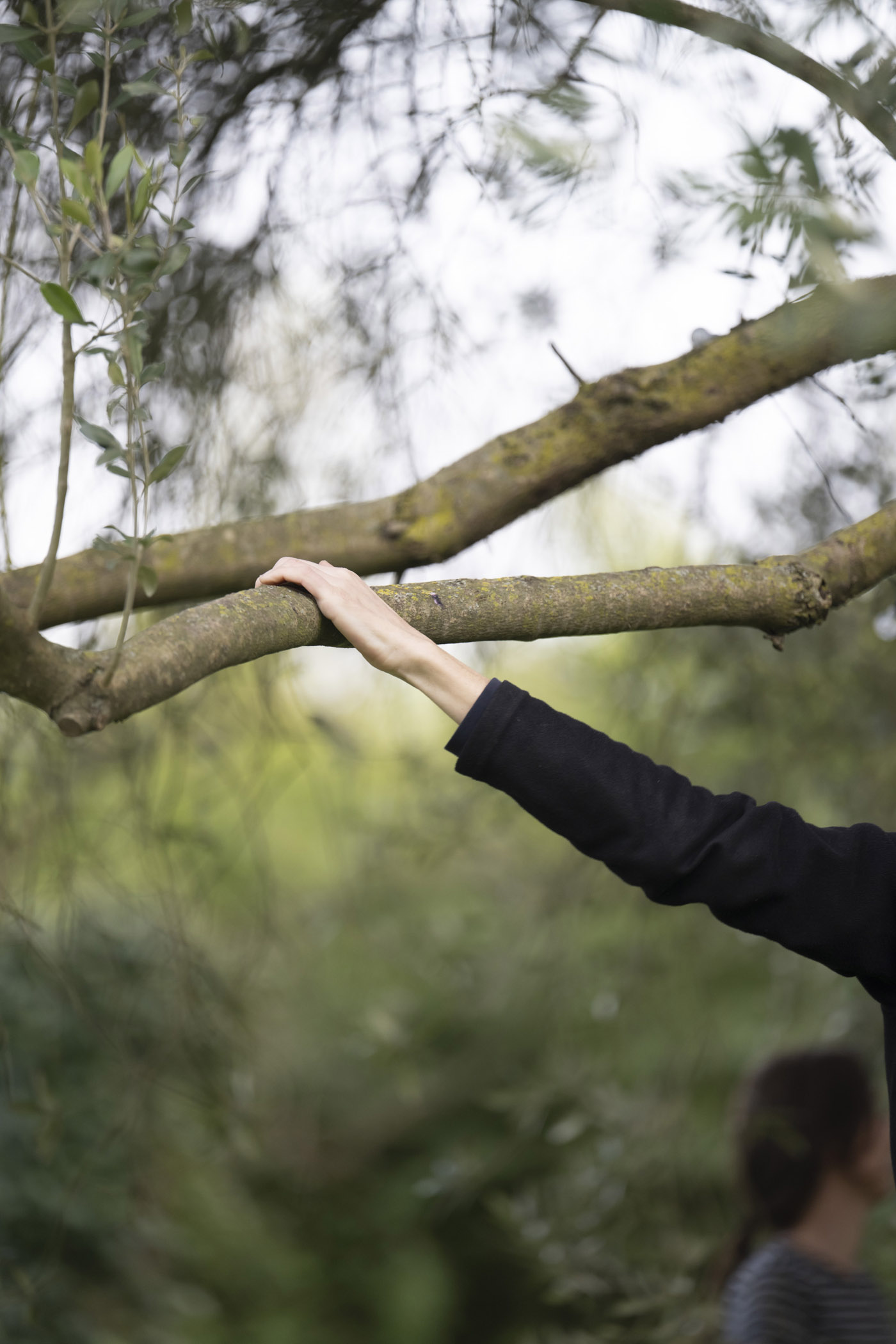
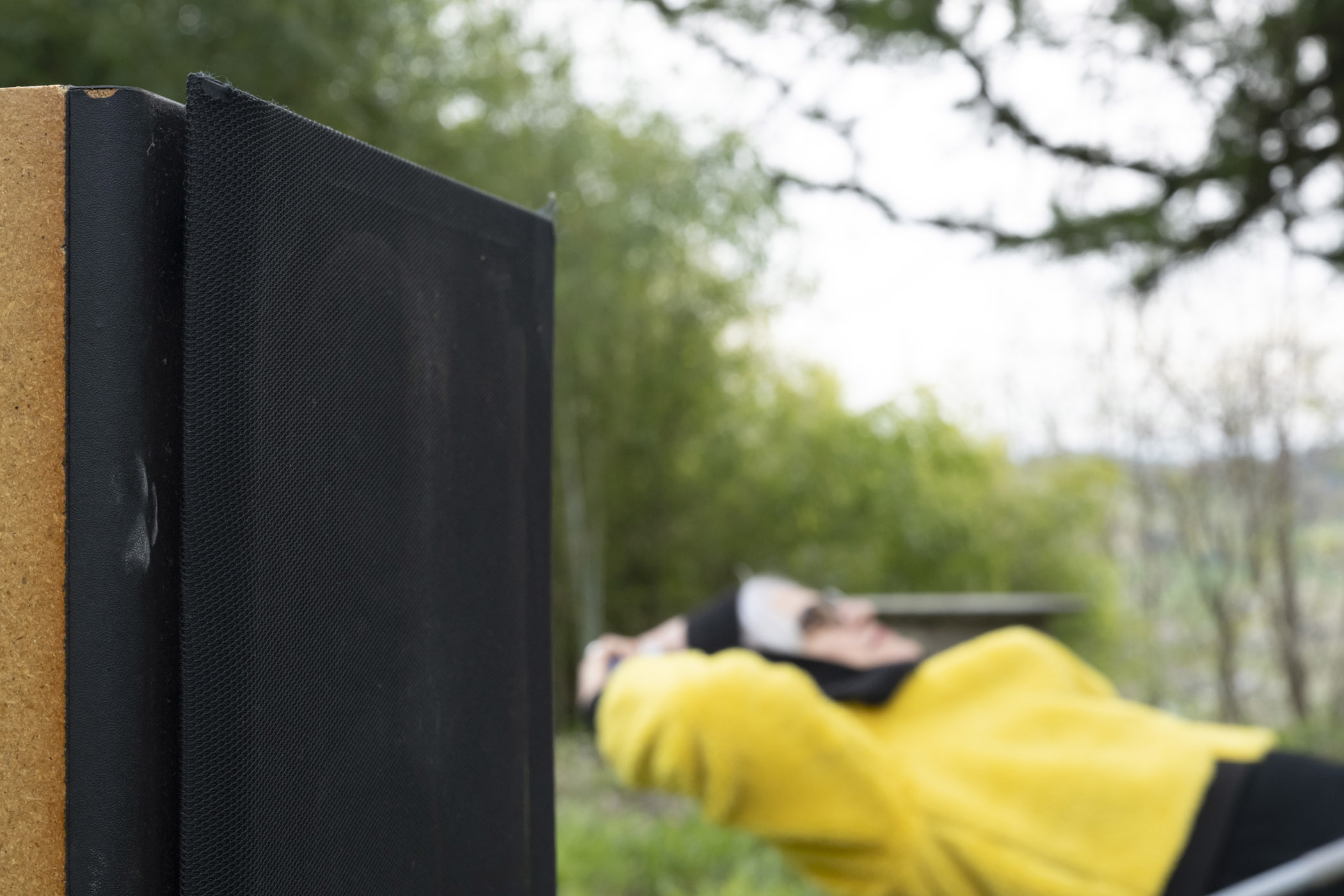
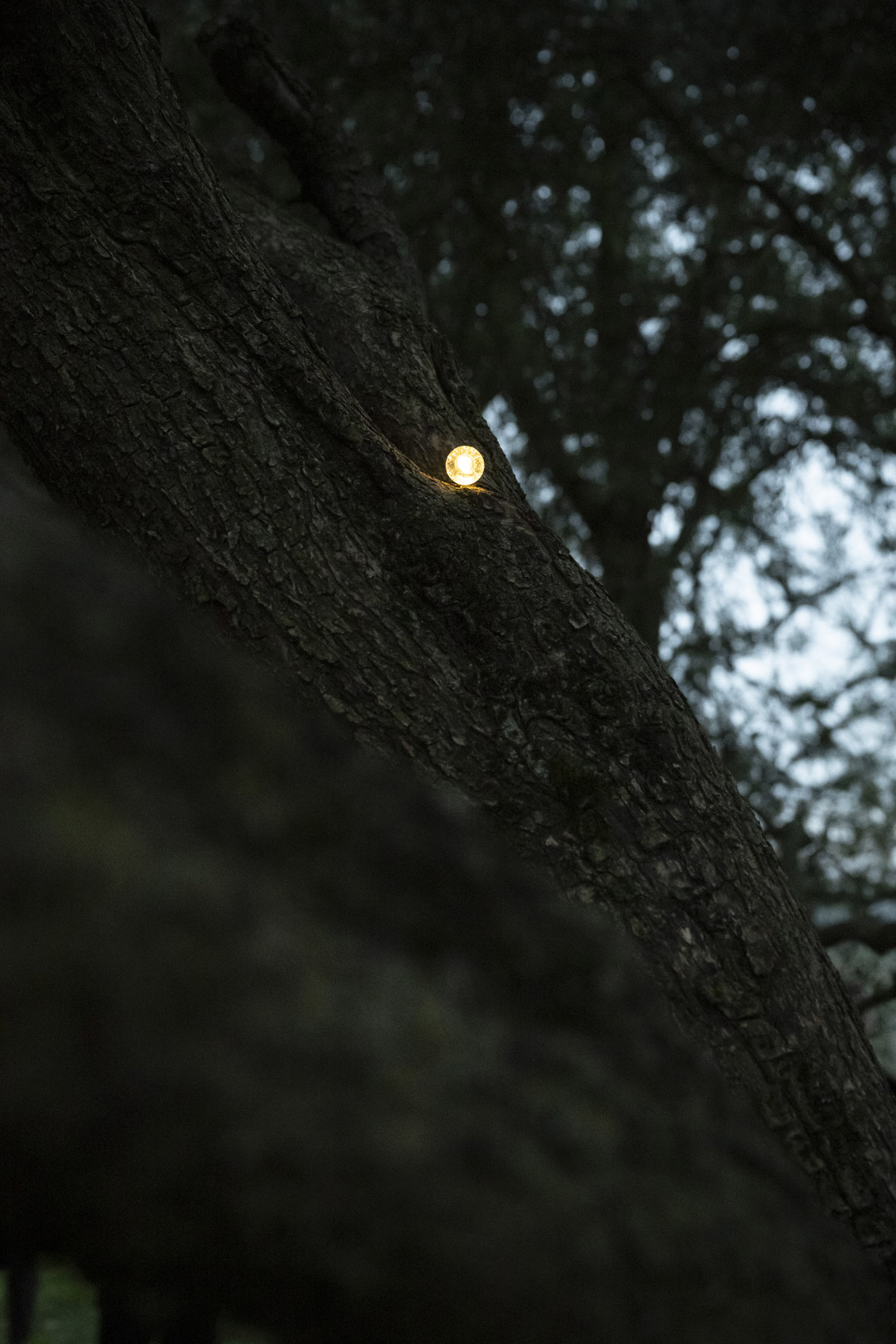
As the research develops, Living Dance will gradually incorporate a constellation of relational bioart objects: vibrational surfaces, wooden devices, headrests, collars and other bodily interfaces through which participants can physically encounter the signals generated by plants. Rather than simply displaying biological data, these objects transform sound into tactile experience and distribute it across different bodies and materials. They create multiple points of access to the multispecies system, allowing participants to listen through touch, posture, proximity and vibration.

The work is part of a broader attempt to expand and circulate recent practices of participatory and horizontal decision-making beyond the communities in which they are currently being tested. Its purpose is not to reproduce a single governance method, but to cultivate the relational capacities that such methods require. Through the evolving interaction between plant physiology, molecular data, sound, vibration, human bodies and computational systems, Living Dance constructs a continuously transforming bioart environment in which new ecological and political relations can be sensed, tested and collectively negotiated.

Premiere

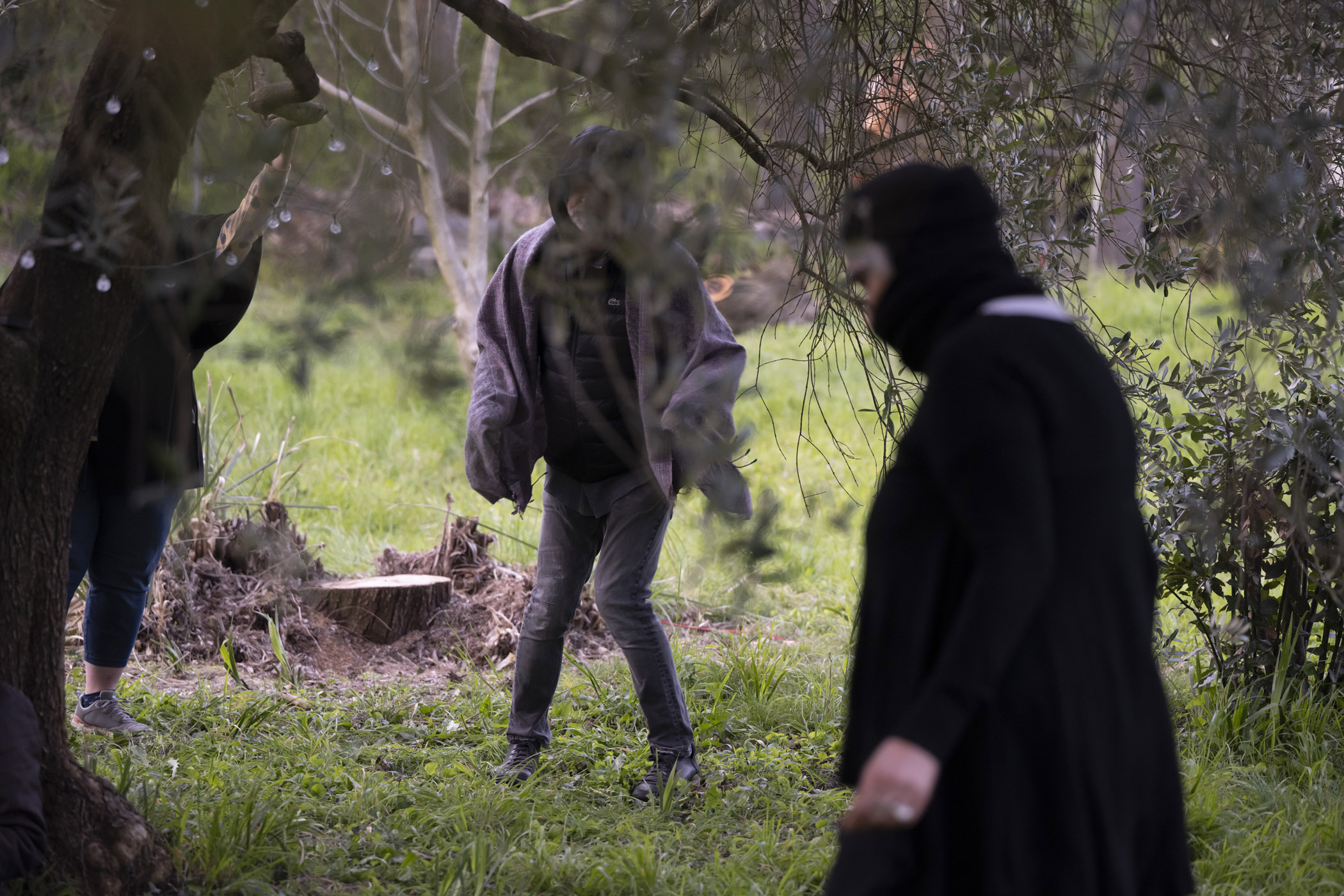
Premiered at Cohousing Montesole Intentional Community, 2026.


Living Dance
Sounds and Vibrations in Relational Spaces
project 2026

concept, design, sound and technological systems Vanessa Vozzo
dj Andrea Ballo
scientific consultant Irma Milanese