Tiny Uppercase. Our hidden sense

Tiny Uppercase. Our hidden sense project 2022

Premiered at Lavanderia A Vapore (Collegno Turin Italy) 2022.

Tiny Uppercase. Our hidden sense
Credits and technical development · 2022 

Credits
Dancers of Balletto Teatro di Torino Lisa Mariani, Nadja Guesewell, Viola Scaglione, Flavio Ferruzzi, Luca Tomasoni
Artistic direction Viola Scaglione
Cultural project manager:Ewa Gleisner
Multimedia, visual & UX design Vanessa Vozzo
Soundscape design Max Viale
Choreographic score Gabriella Maiorino
Technical supervision & VR development Francesco Strada
Lighting design Simona Gallo
360° cinematography & post-production Mattia Meloni
3D modelling, technical art & Unity support Giuseppe Bruno, Giorgia Colombo, Vittorio Elia
Assistant to production and multimedia design Ana Carniti
Soundscape design assistance Luca Martone
Costume design Fashion Design, course in Fashion Design – European Design Institute, Turin, under the supervision of Ilaria Turchetti
Photography Federico Masini, Angelo Bellotti
Videomakers Margherita Dantini, Sara Saccottelli, Giuseppe Saccottelli

Partners and support
In collaboration with Istituto Musicale Città di Rivoli “G. Balmas,” within the season Scene dal Vivo 2021–22
In partnership with Officine Sintetiche; Interdepartmental Research Center on Multimedia and Audiovisual (CIRMA), University of Turin / StudiumLab; ICM College (Cinema and Communication Media Engineering), Politecnico di Torino; European Design Institute, Turin
With the support of Fondazione Compagnia di San Paolo – leading sponsor
With the contribution of Ministero della Cultura; Regione Piemonte; Comune di Torino / Torino Arti Performative; Fondazione CRT


Technical development

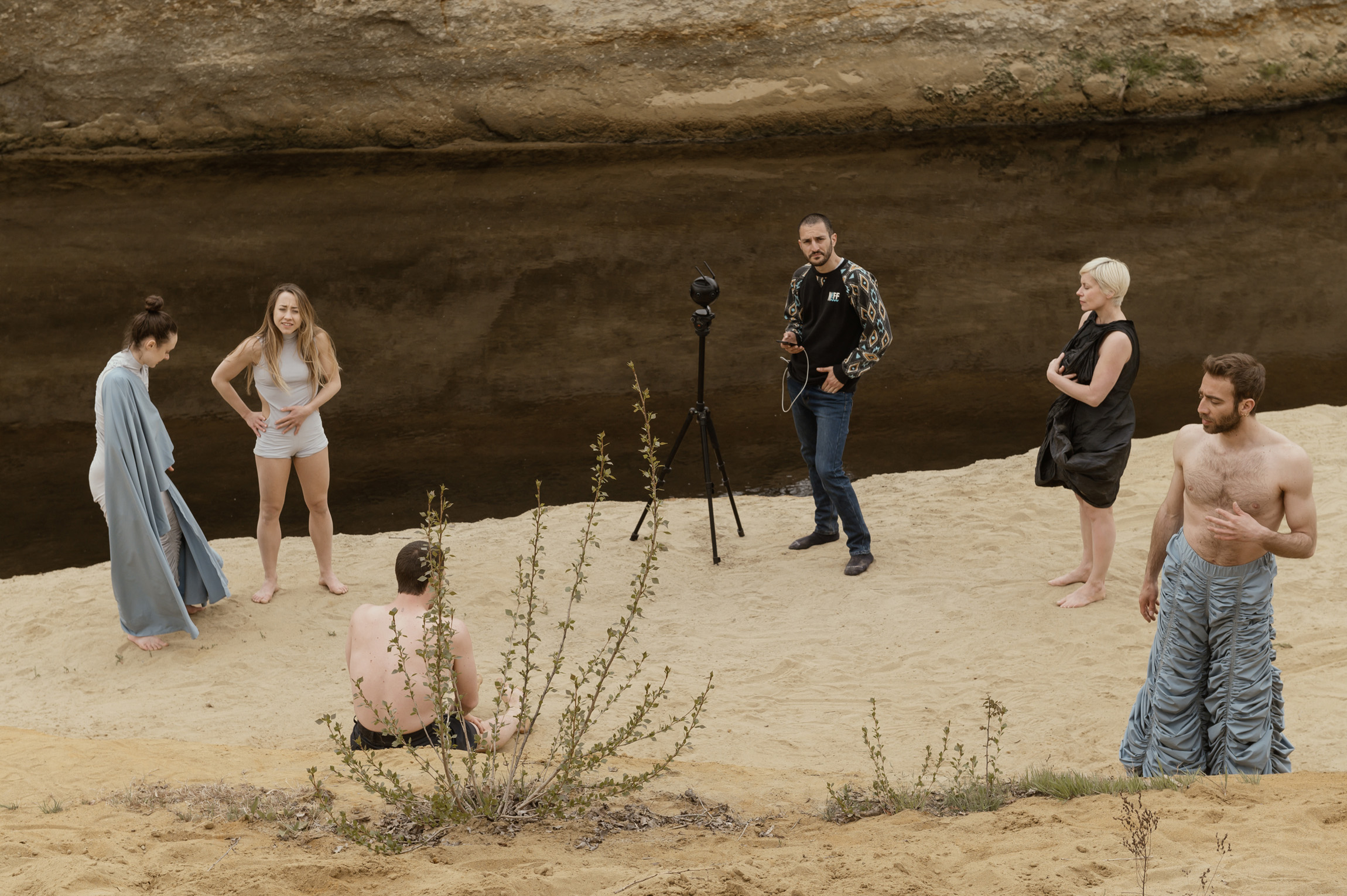
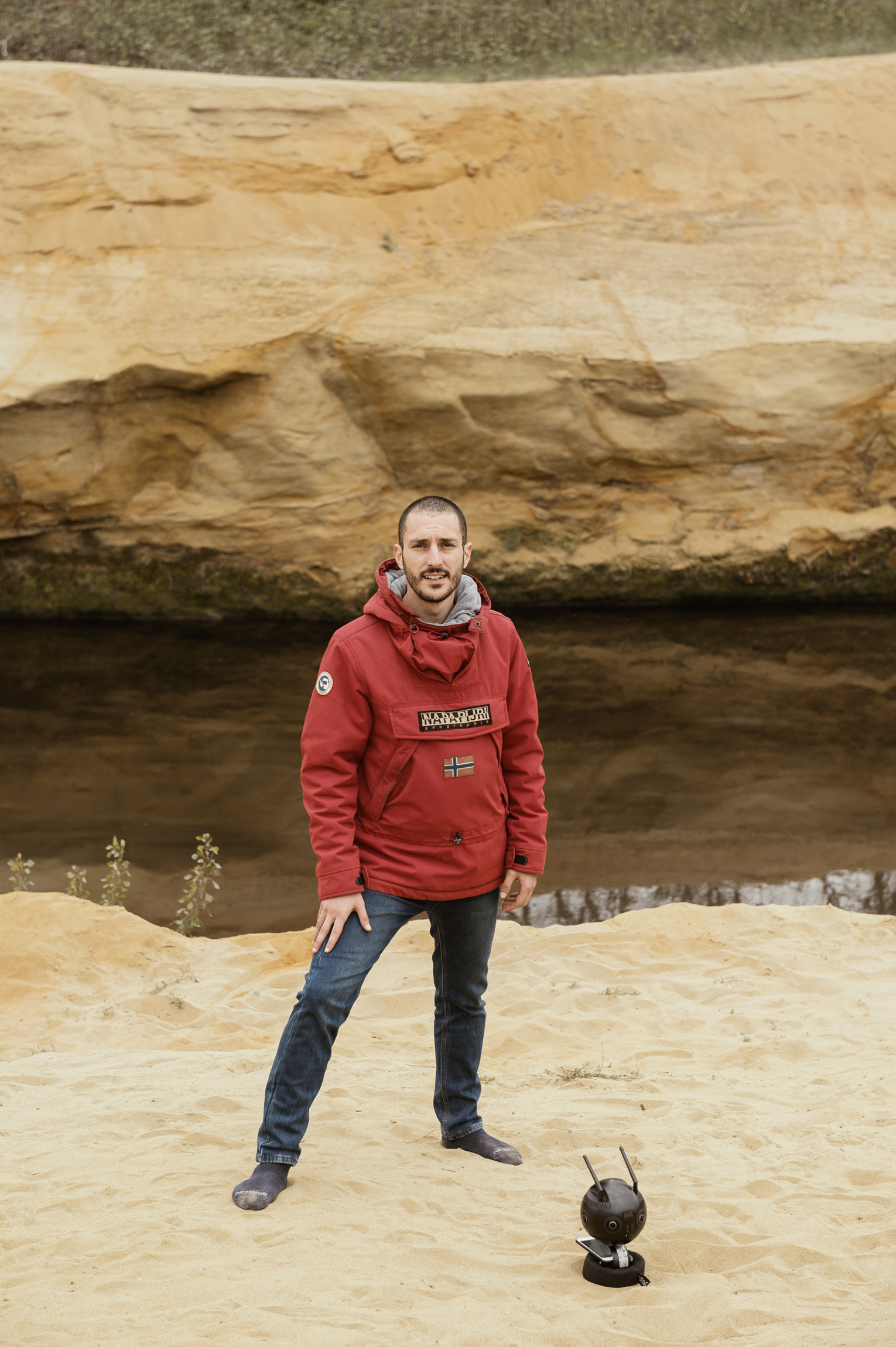
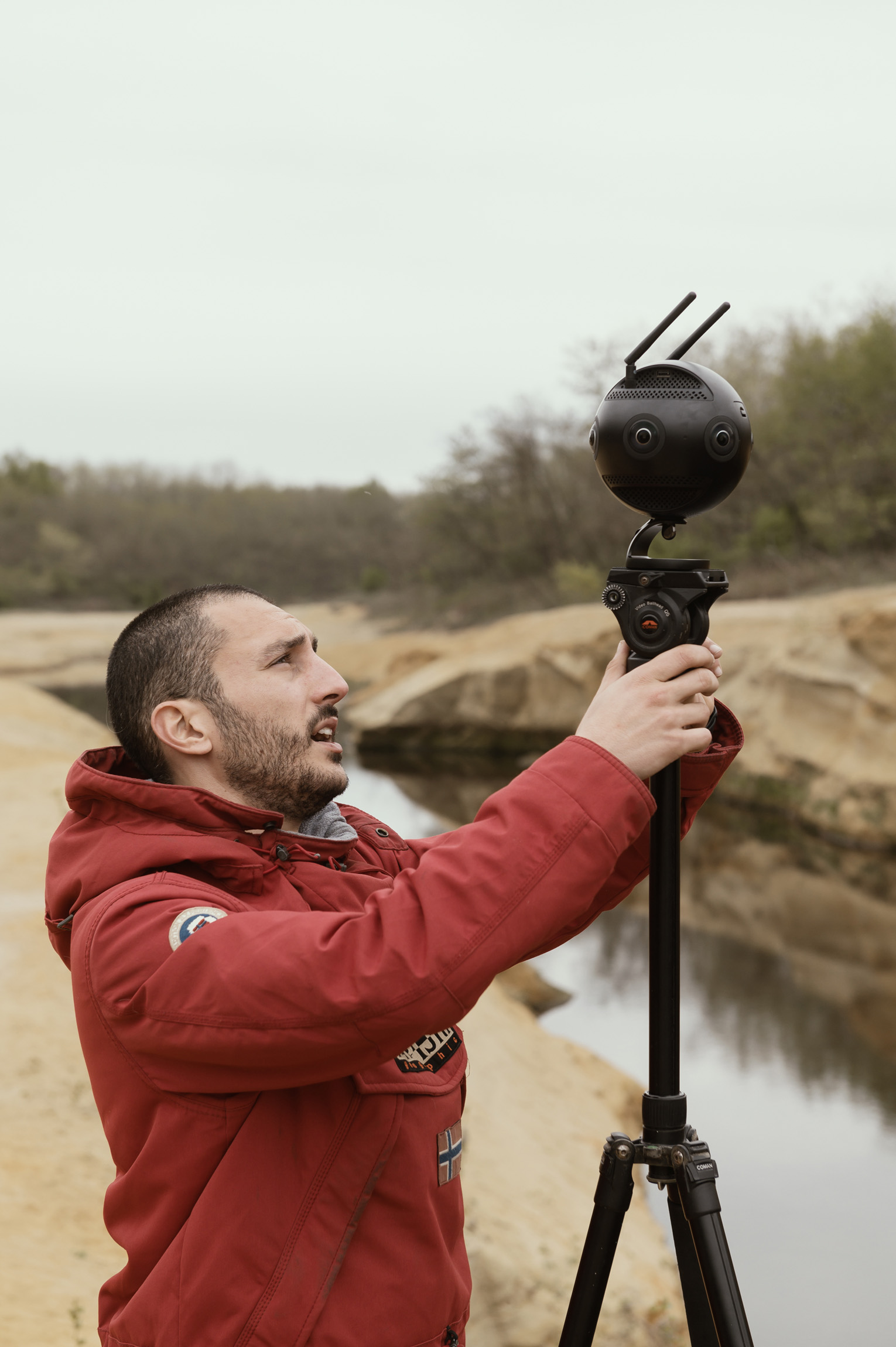
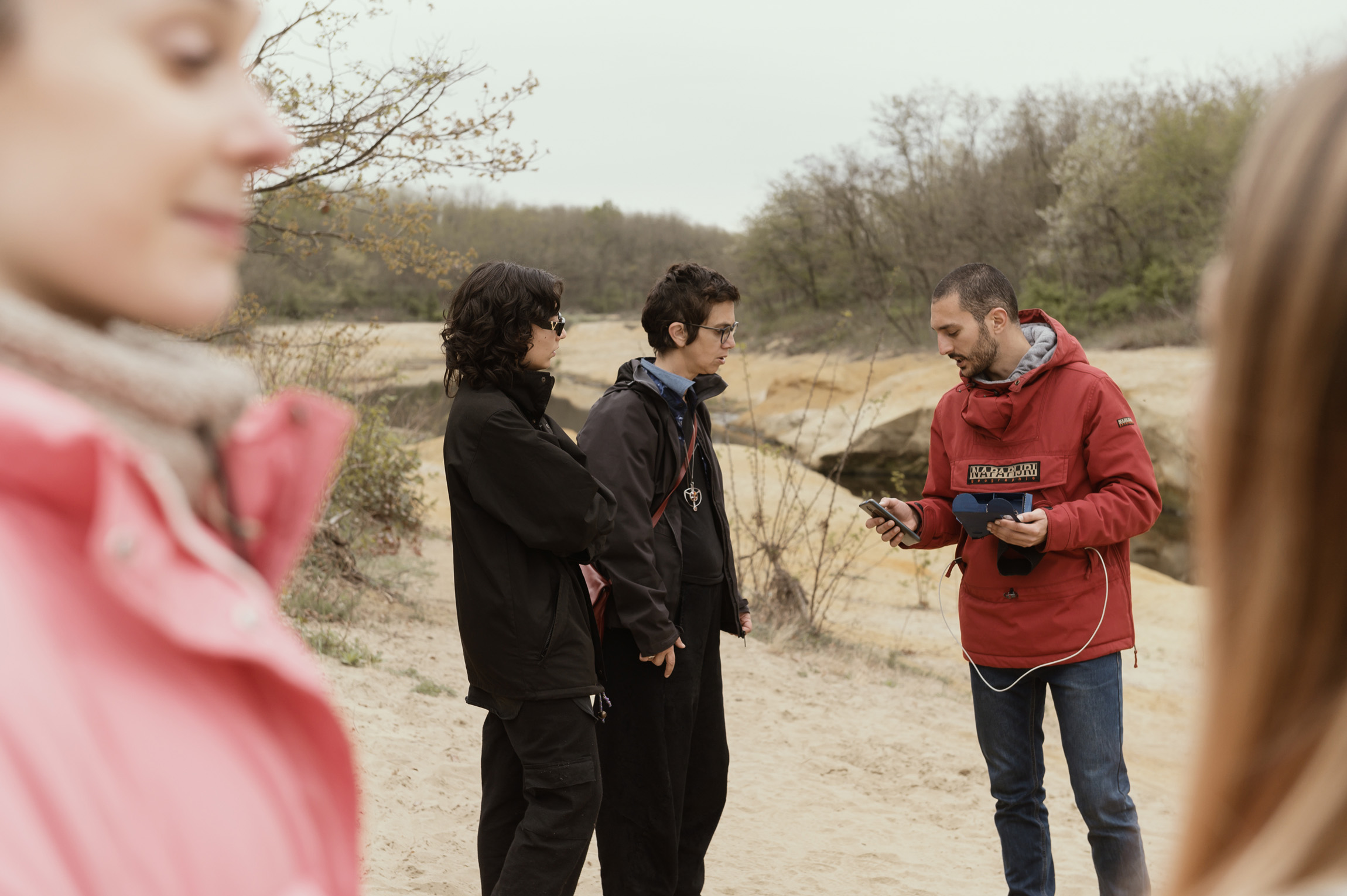
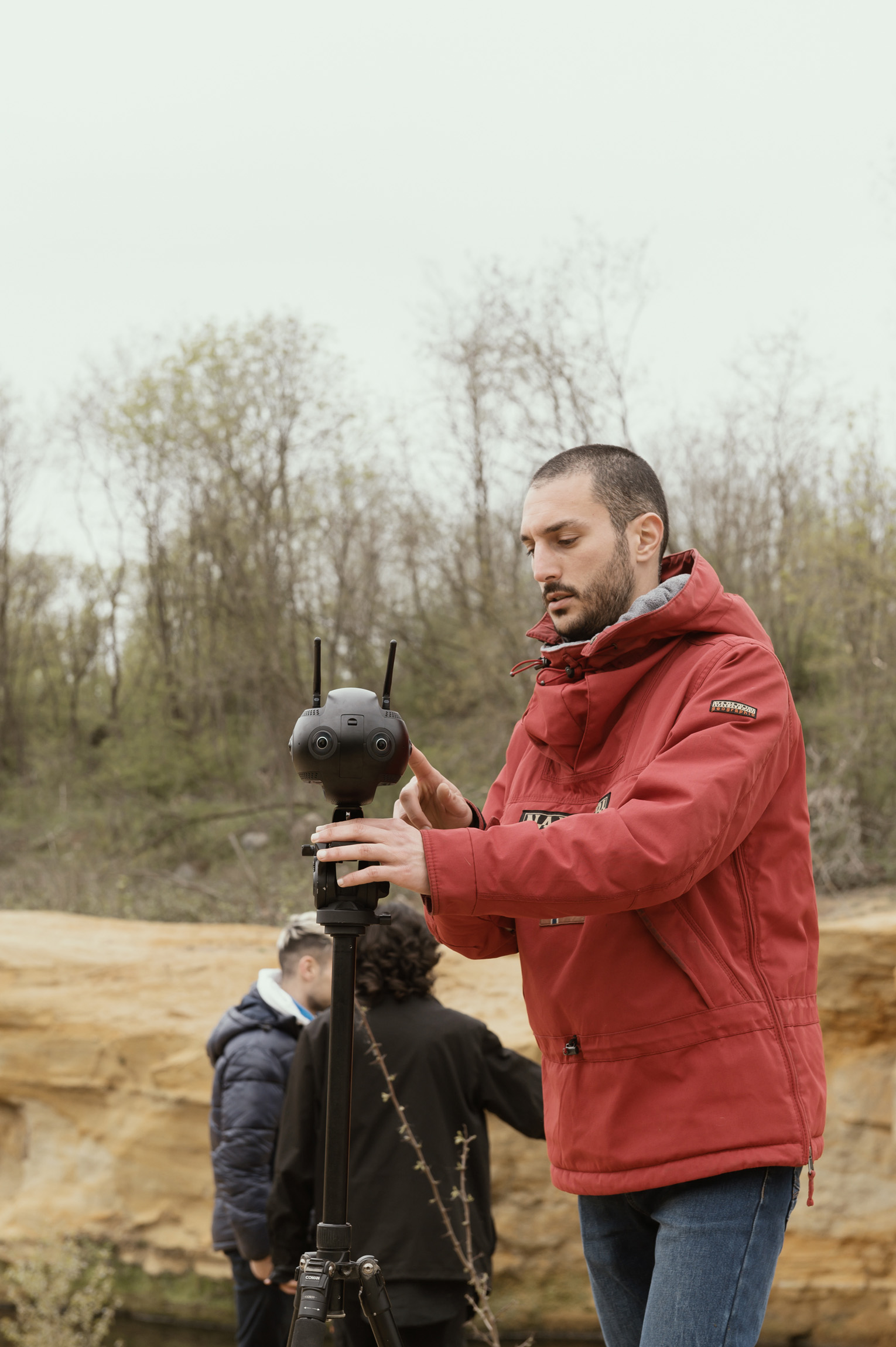
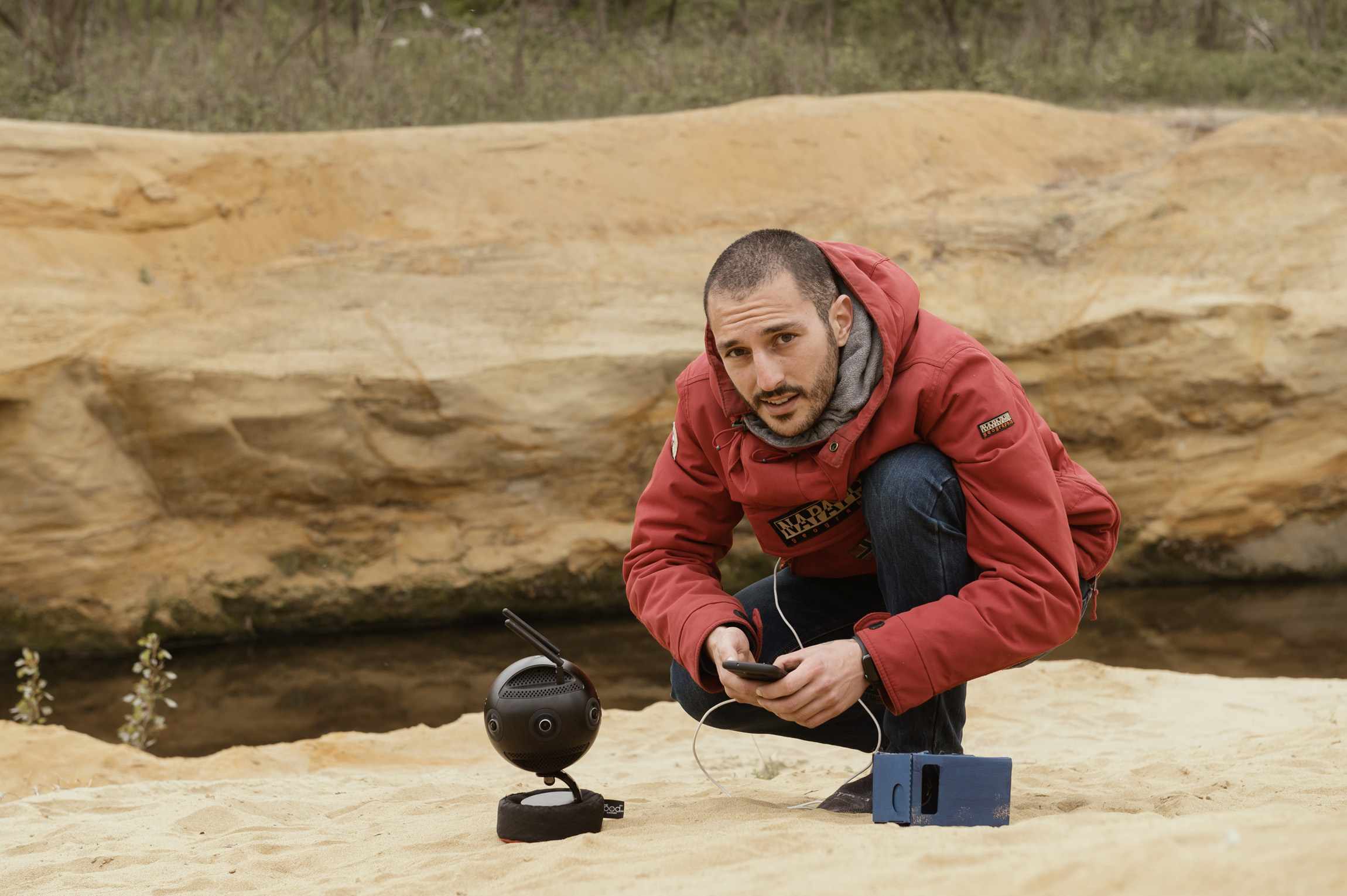
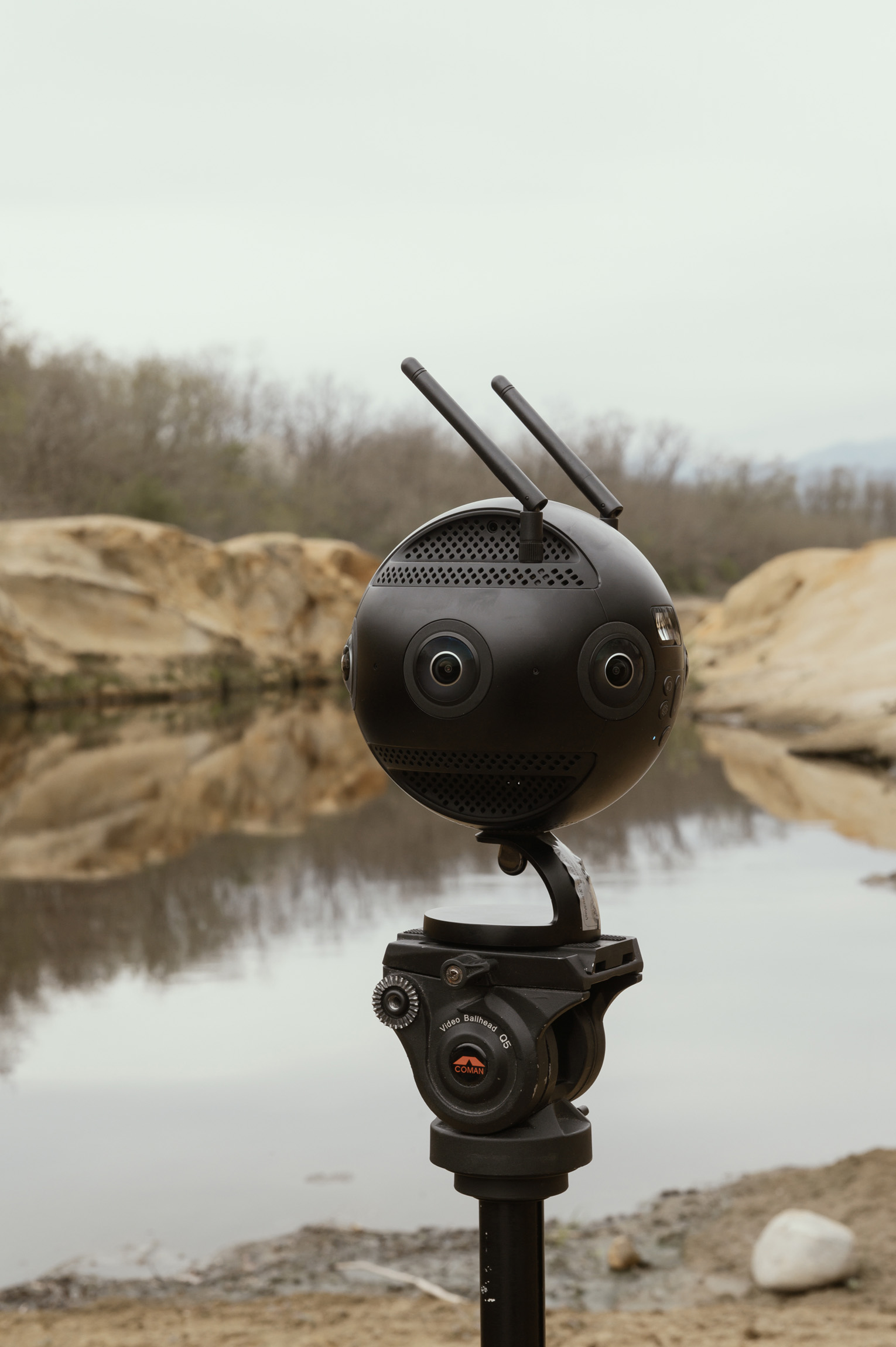
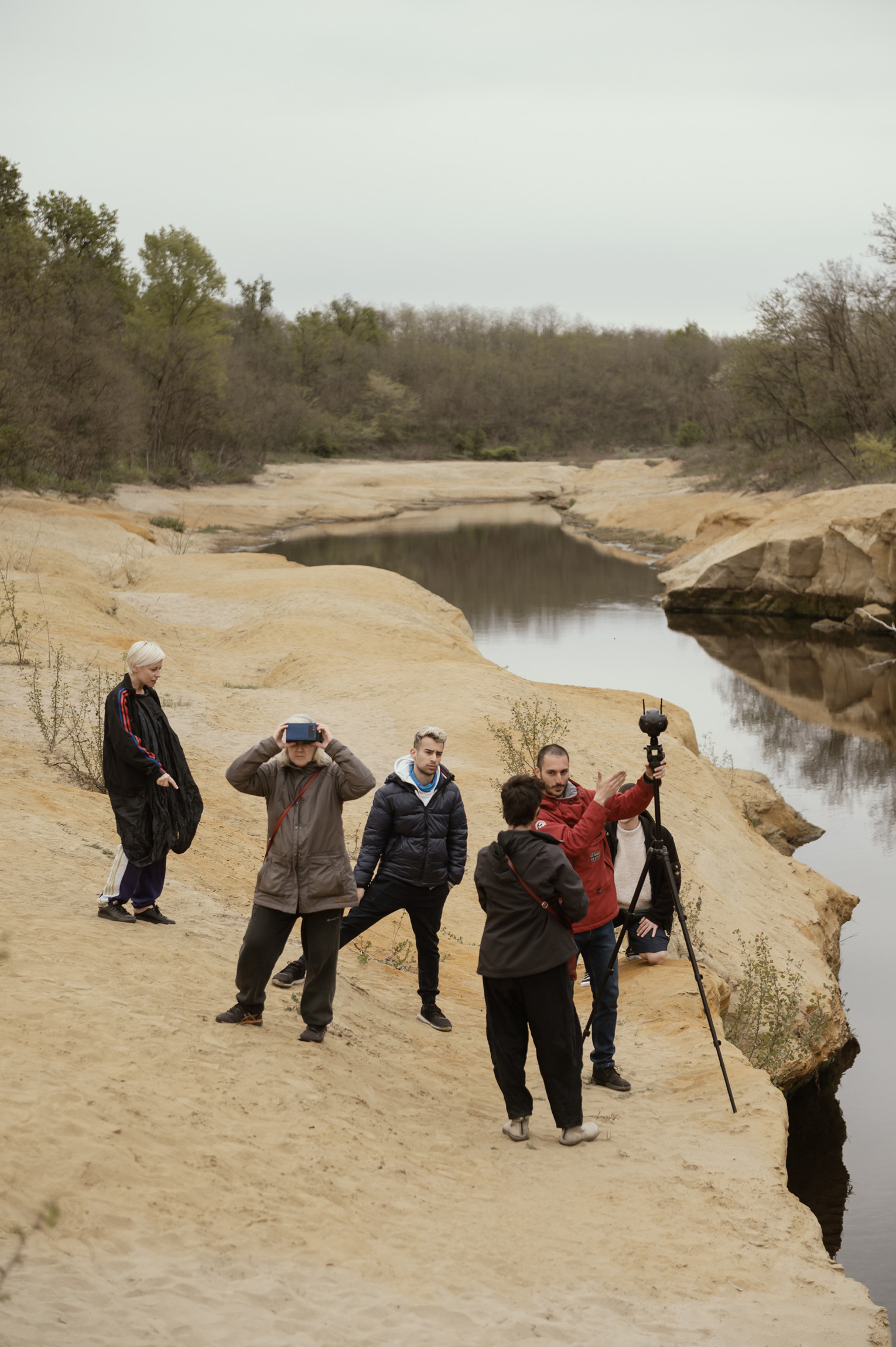
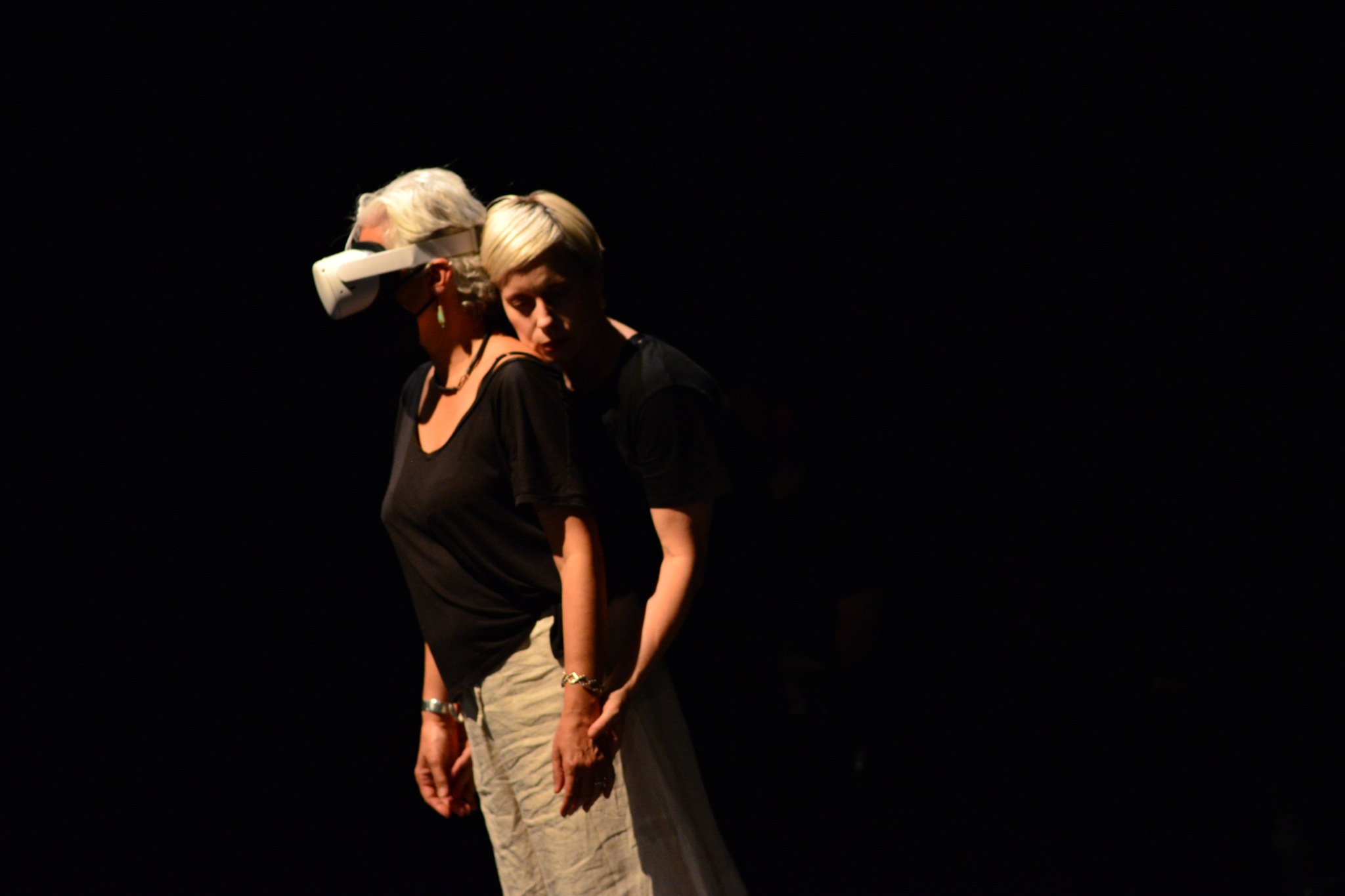
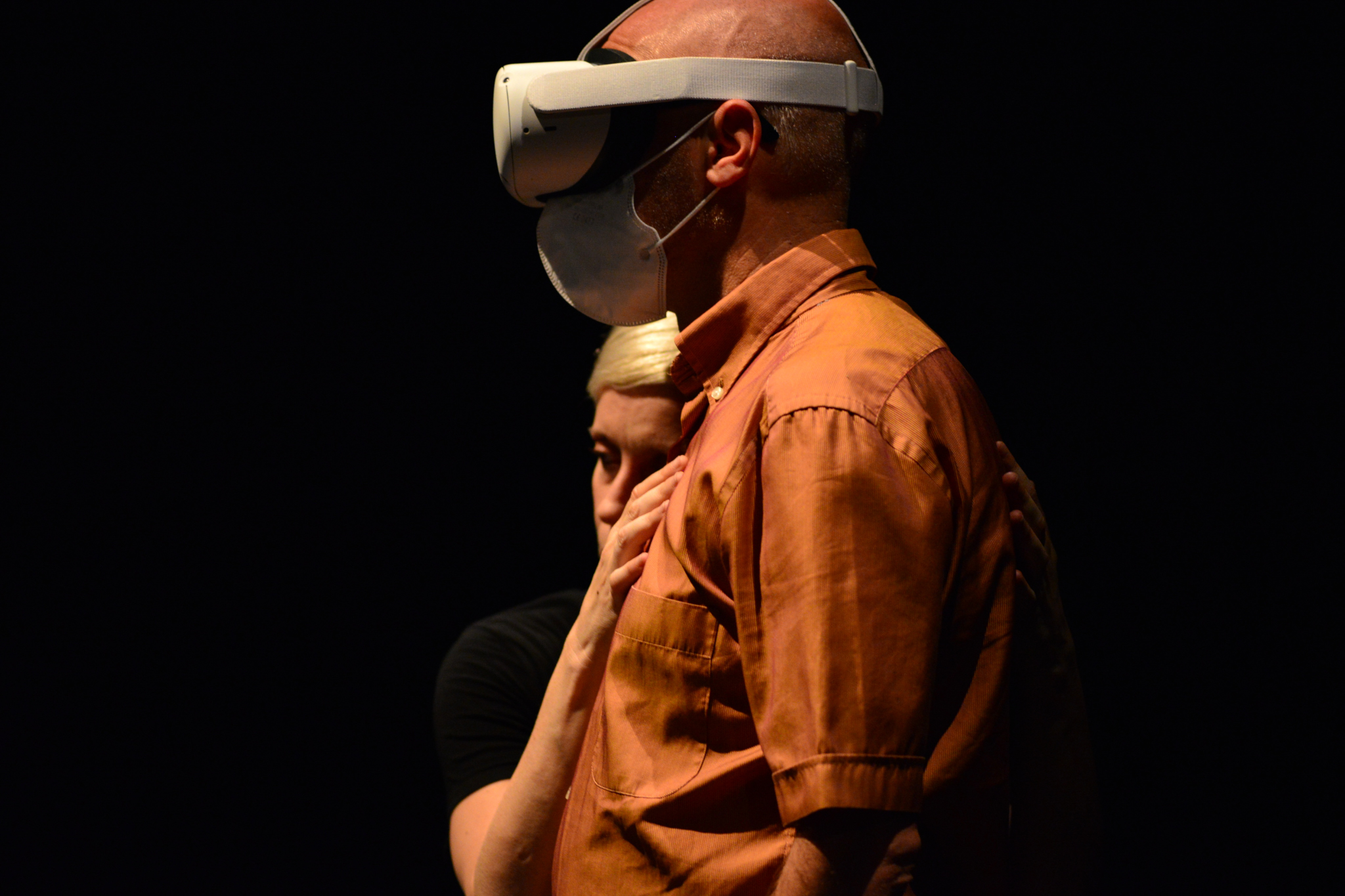
The first study was developed through an extended cycle of artistic and technical residencies. Its custom XR system combined real-time 360° live streaming with a networked multi-headset architecture. A 360° camera captured the performance environment and transmitted the live stream in real time to four VR headsets connected to the same network. This enabled four spectators to experience the live 360° feed simultaneously while moving through an environment in which physical, streamed, and virtual spaces were layered together. The production brought together multimedia and UX design, VR and network development, 360° cinematography and post-production, 3D modelling, technical art, Unity support, lighting, soundscape design, and production assistance.

The technological framework grew out of experimentation in extended reality, immersive cinema, real-time 360° streaming, and transmedia writing initiated by Vanessa Vozzo in 2018 and subsequently developed within Officine Sintetiche. Its implementation required the integration of the 360° camera and live-streaming pipeline with four networked VR headsets and the Unity-based virtual components. The technical and network system was developed by Francesco Strada in collaboration with a multidisciplinary team drawn from the Politecnico di Torino, the University of Turin / StudiumLab, and external professionals, with the involvement of selected students.


10 September 2022
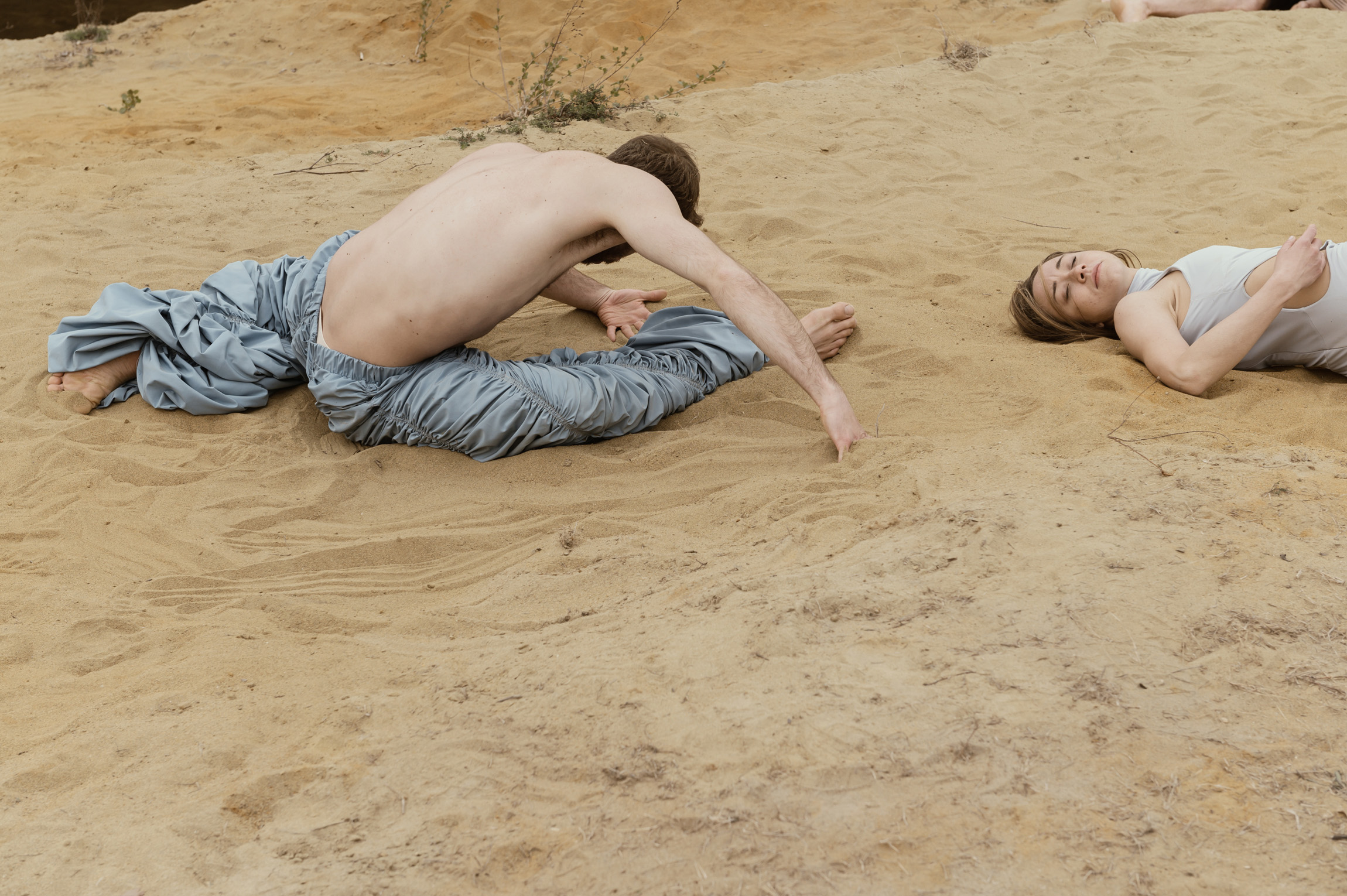
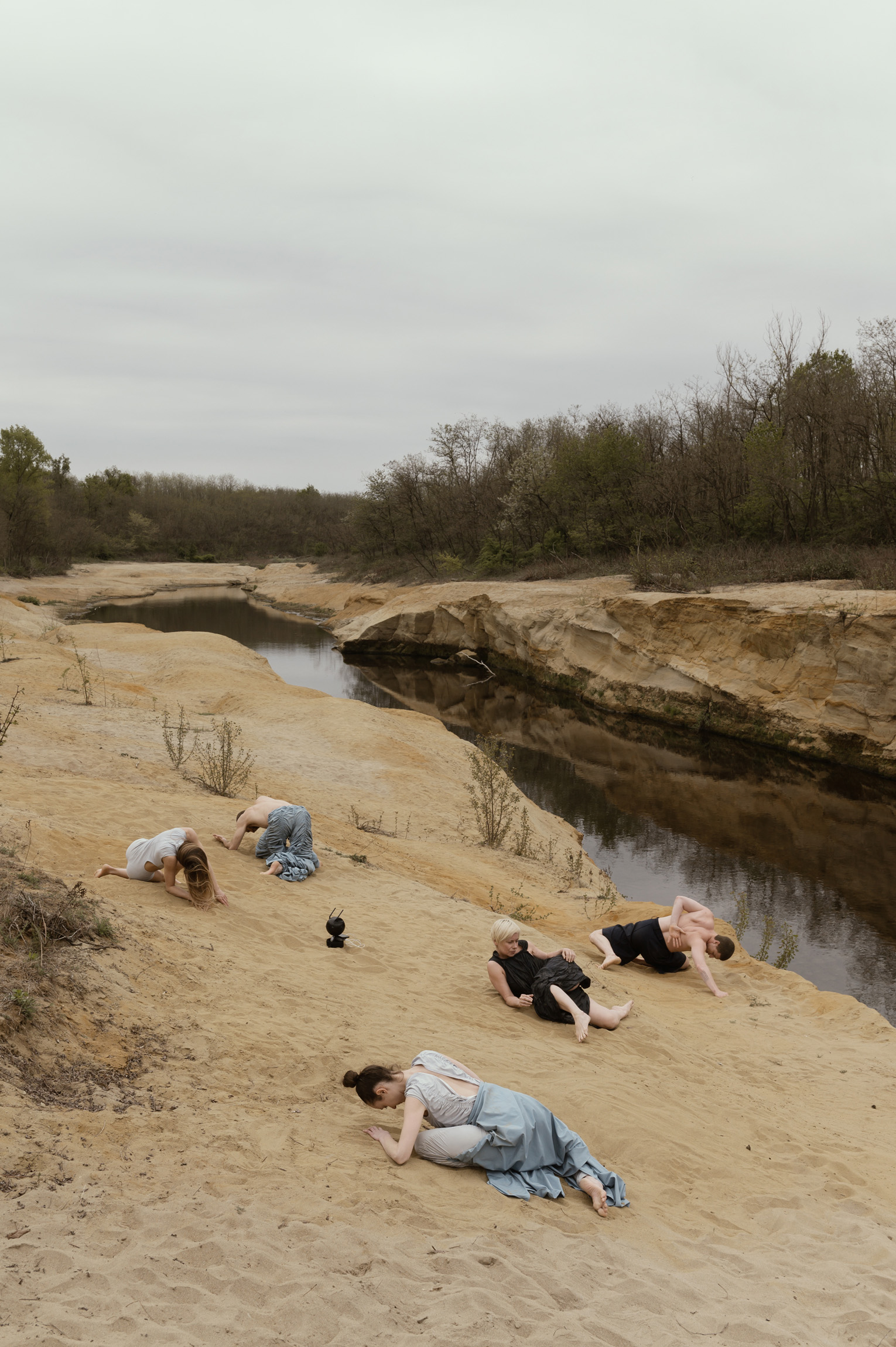
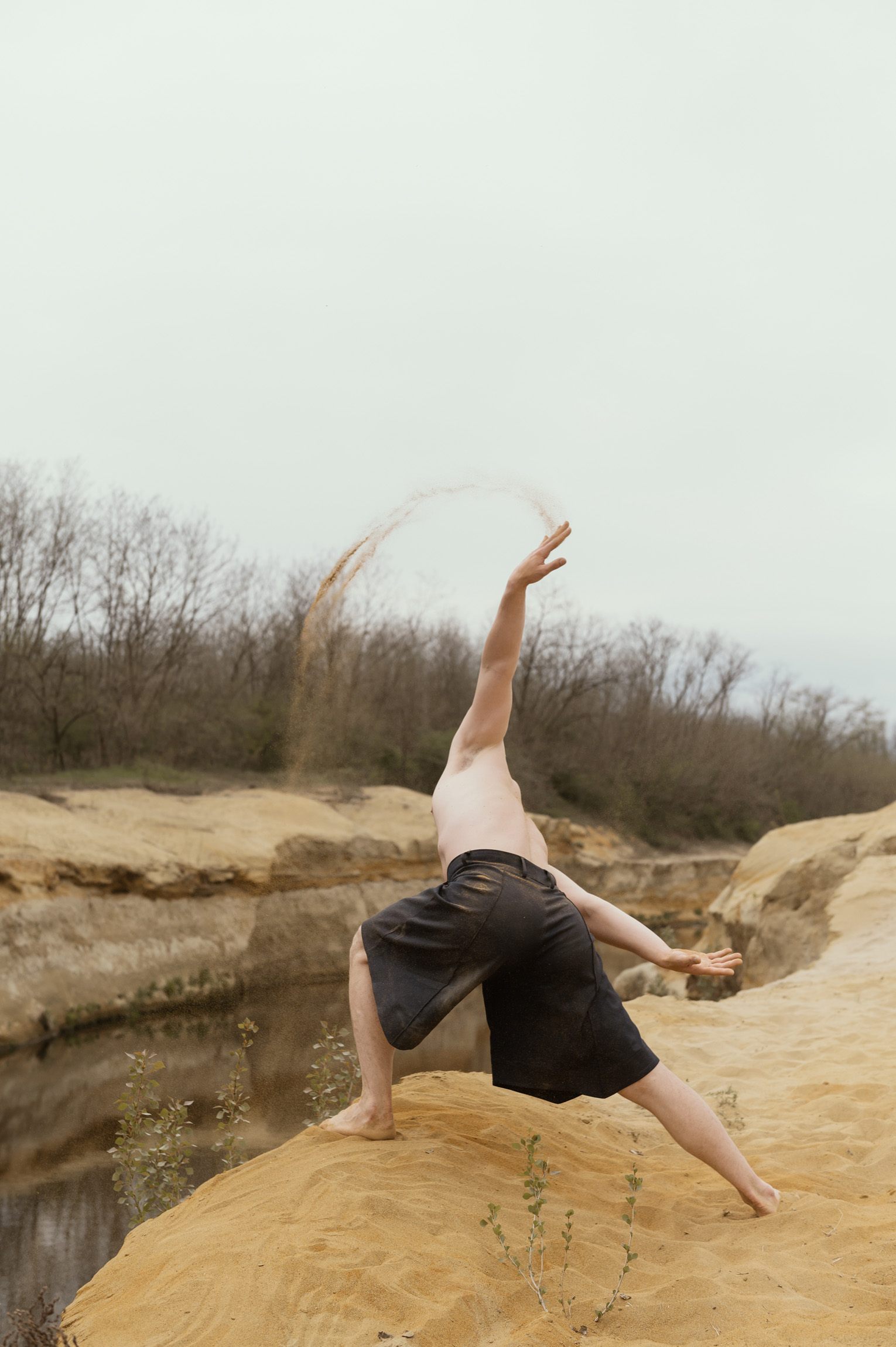
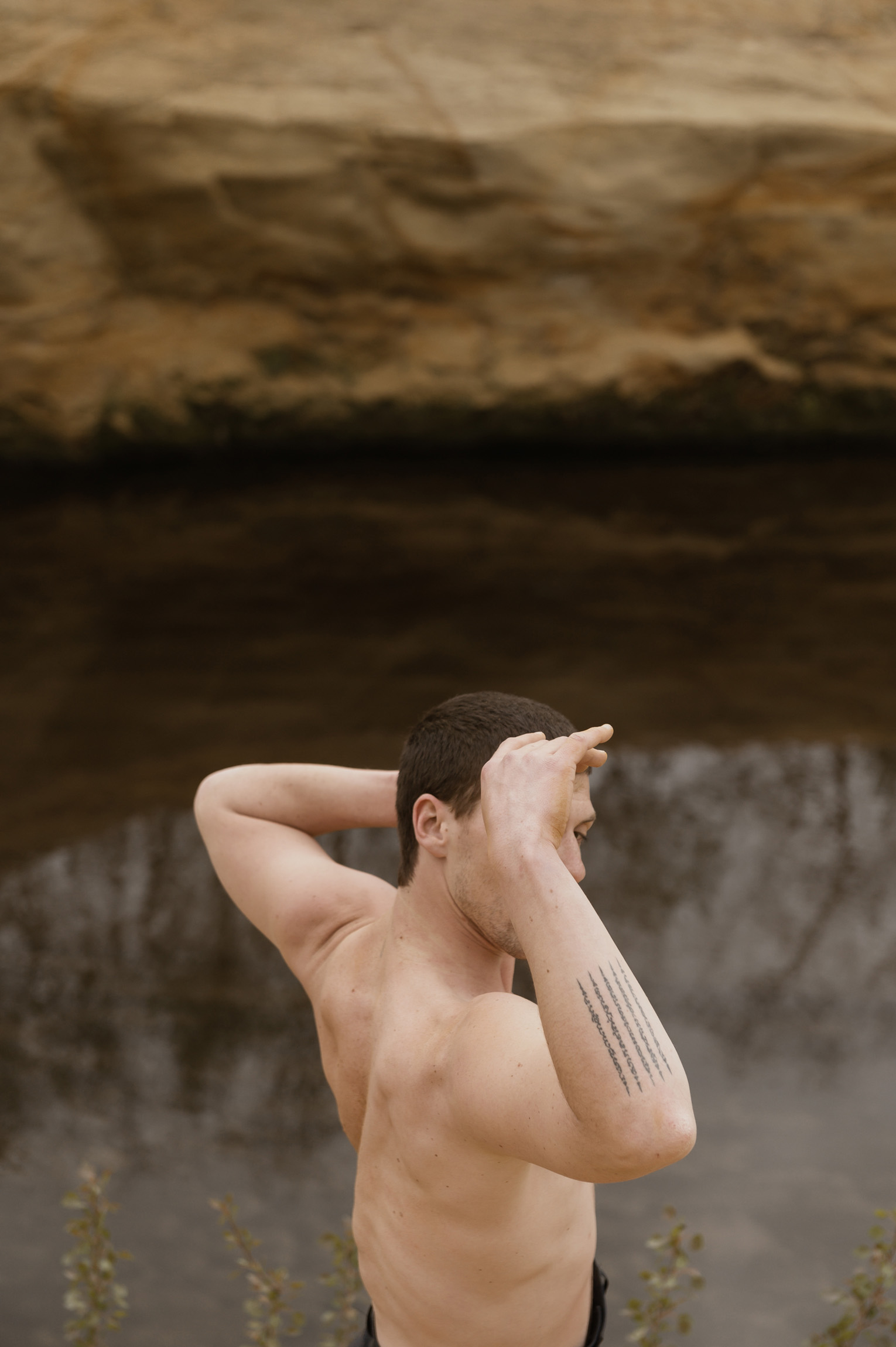
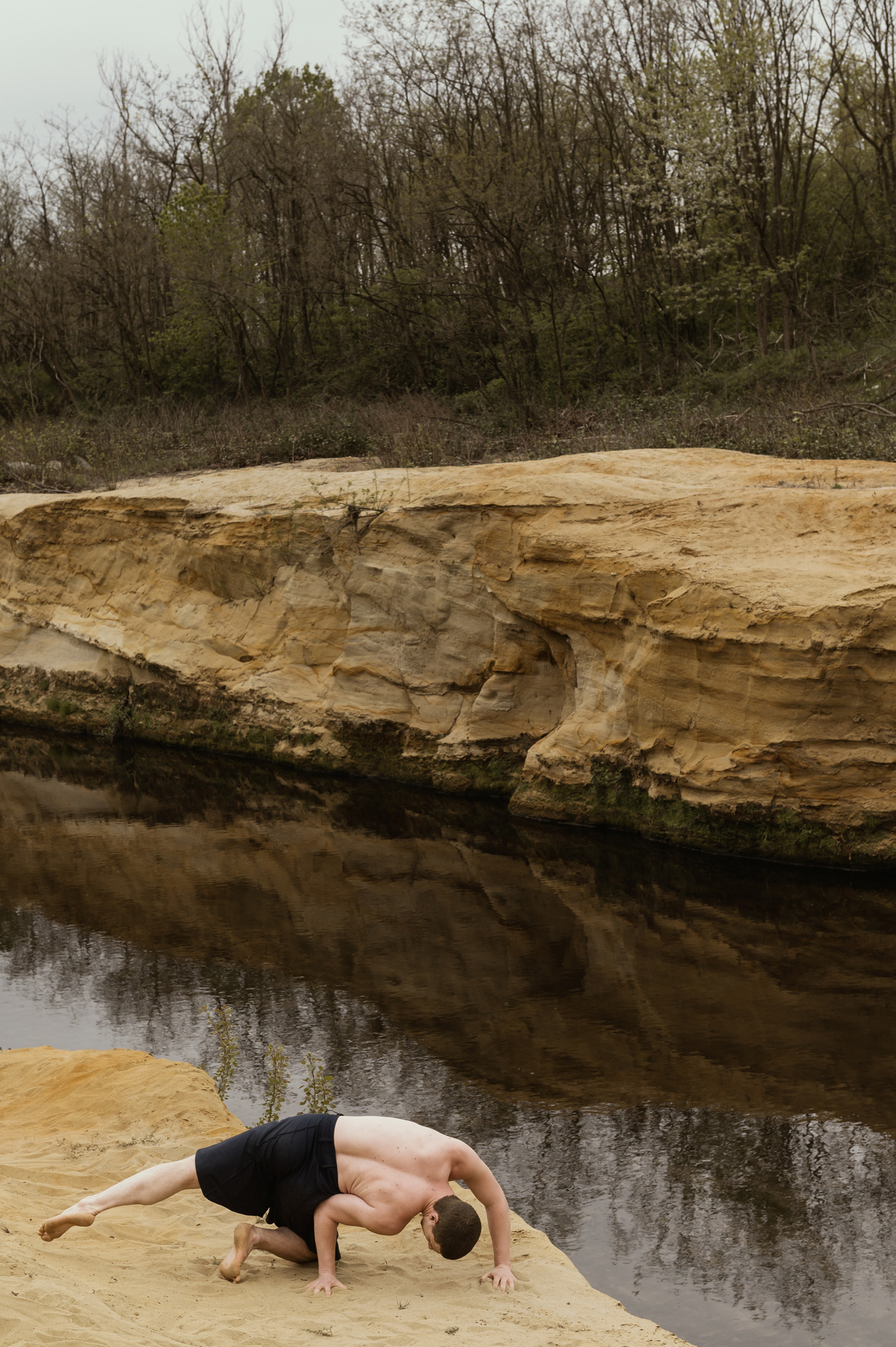
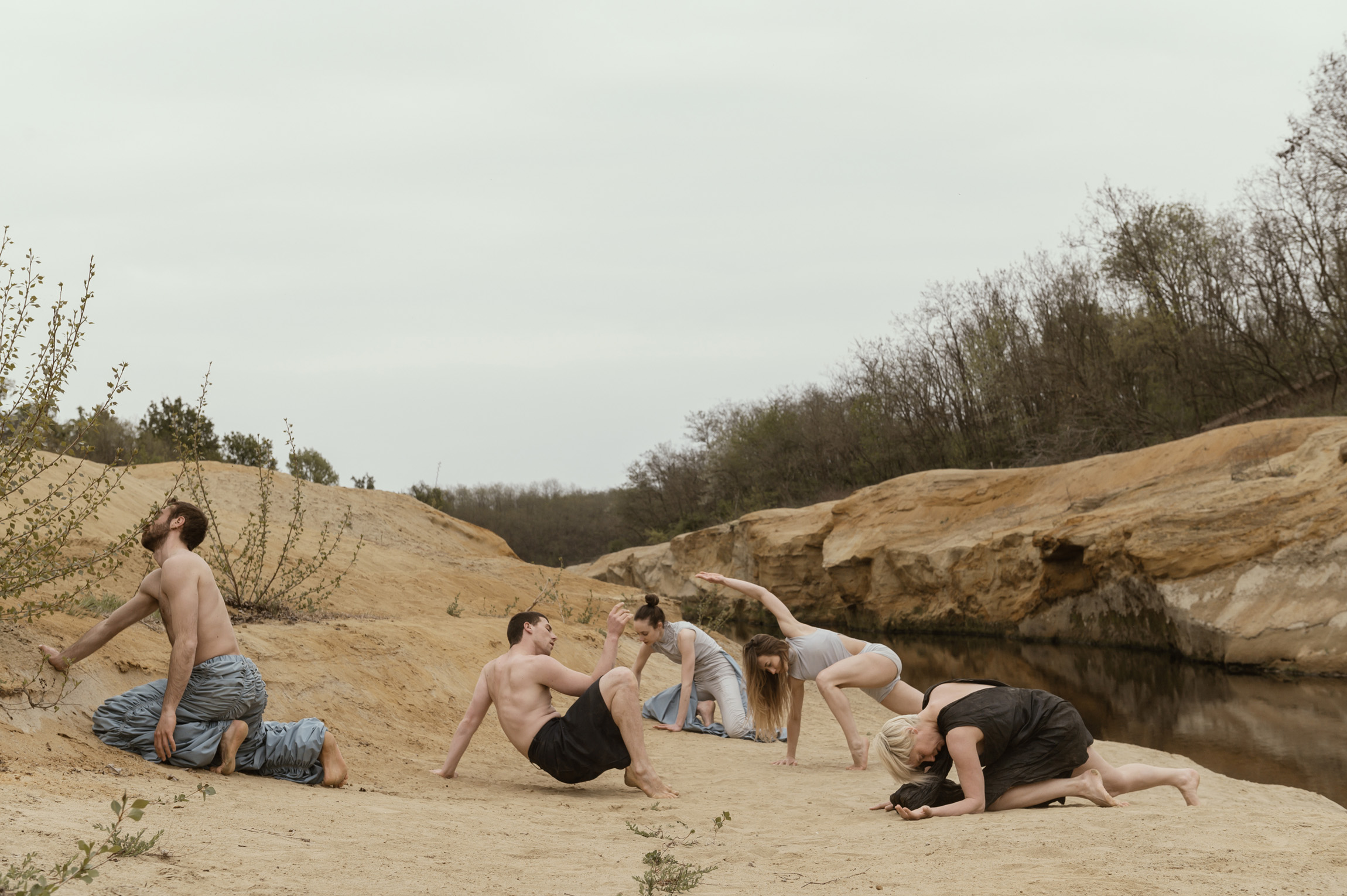
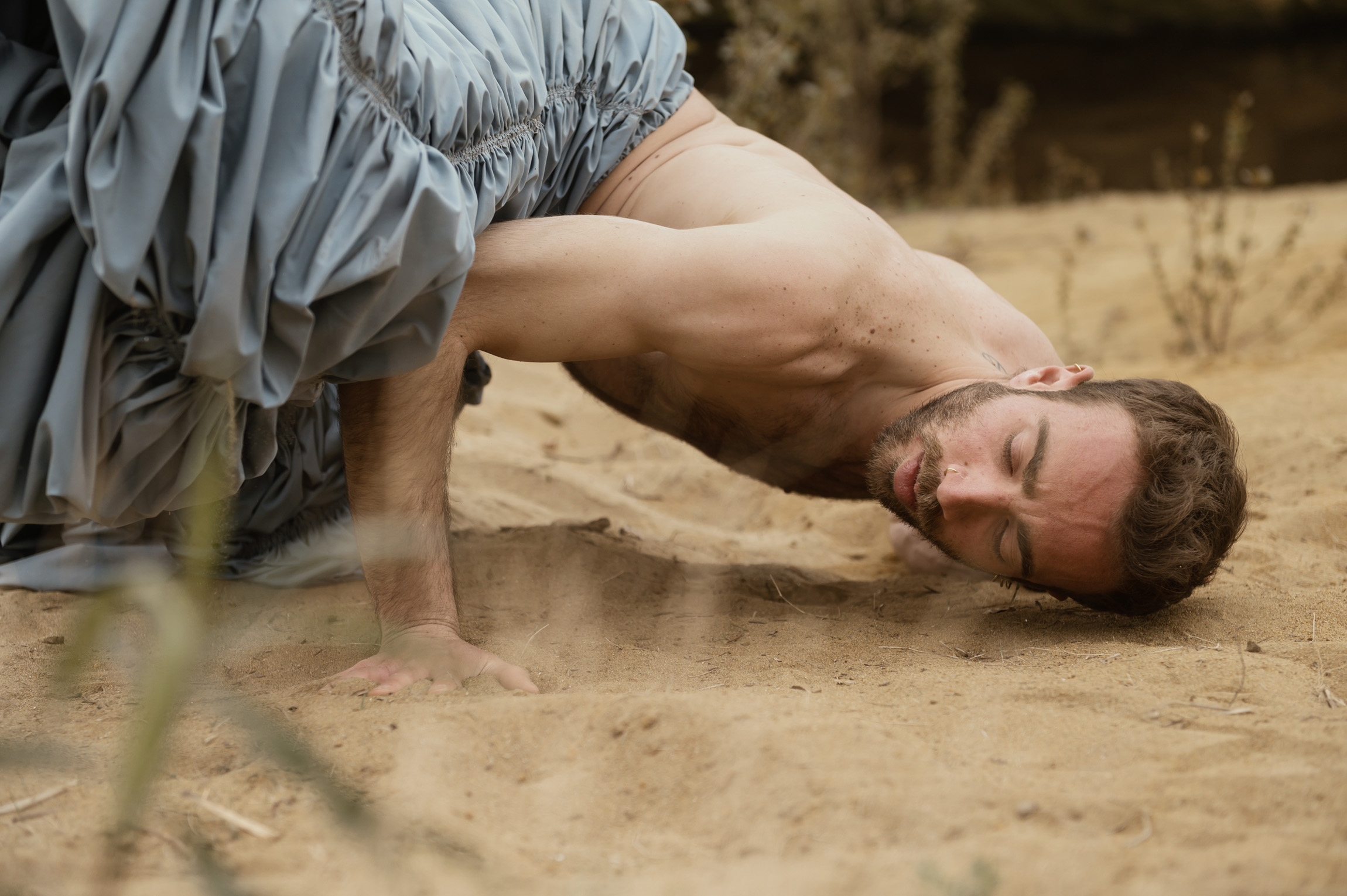
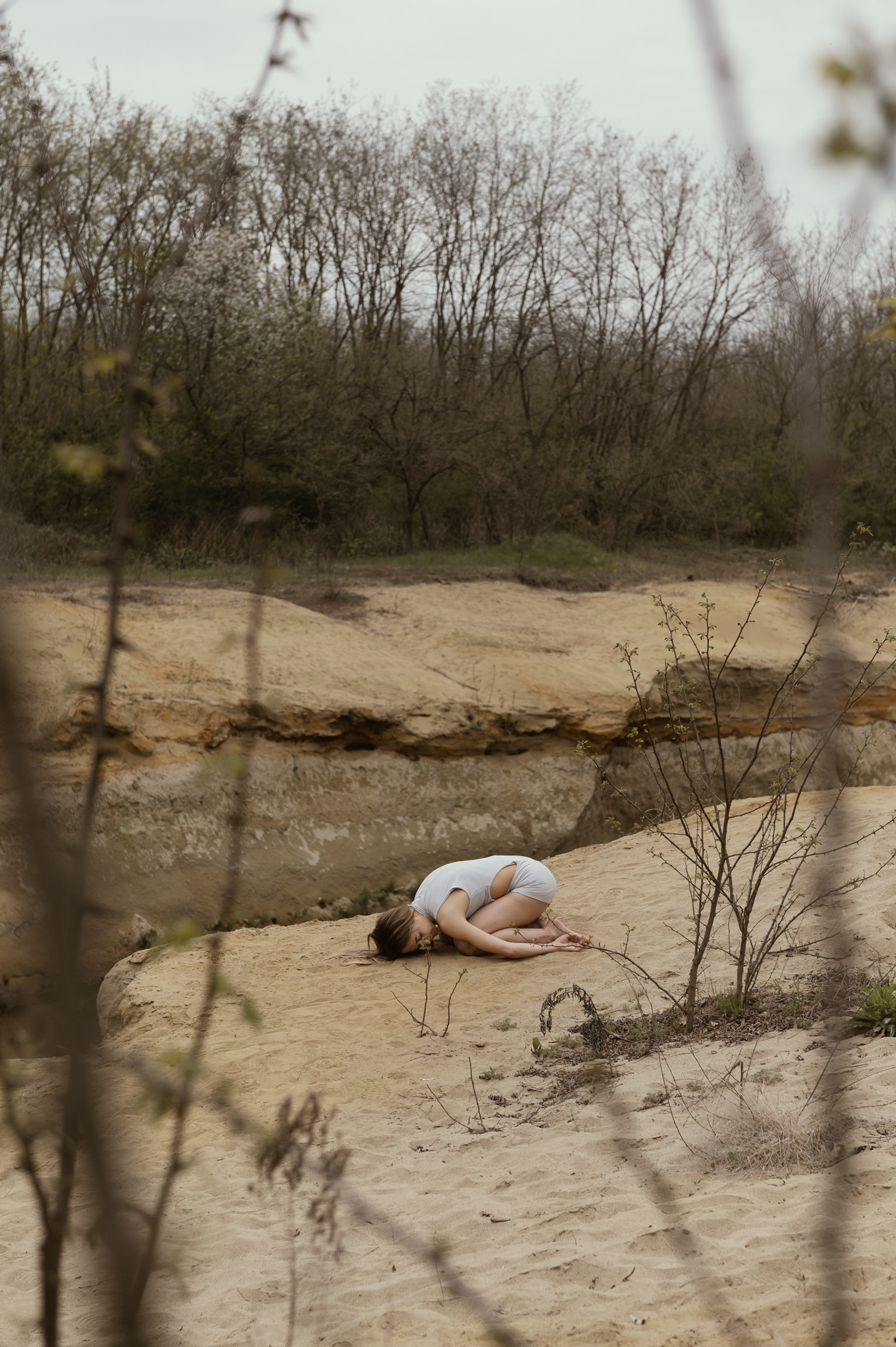
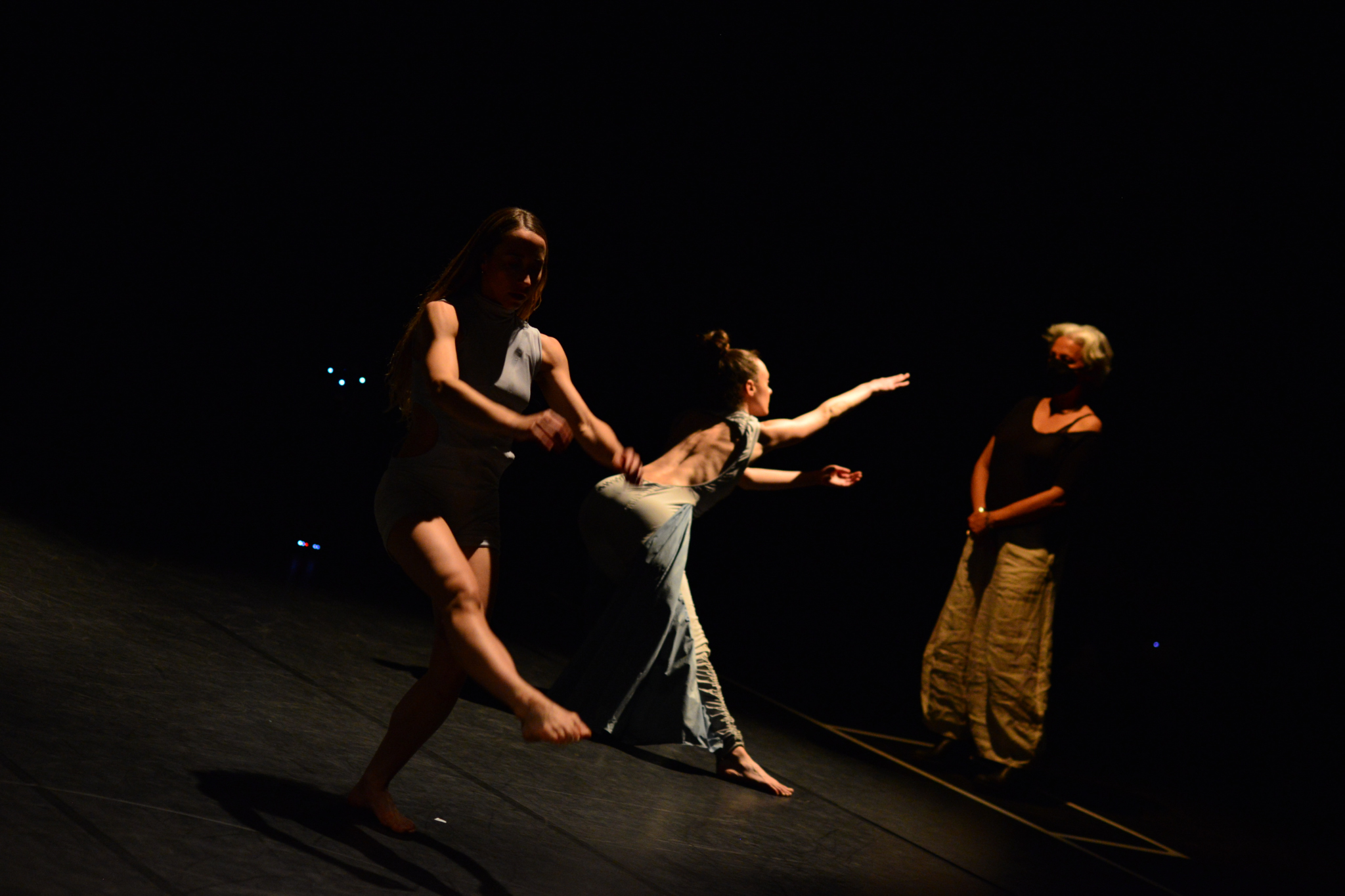
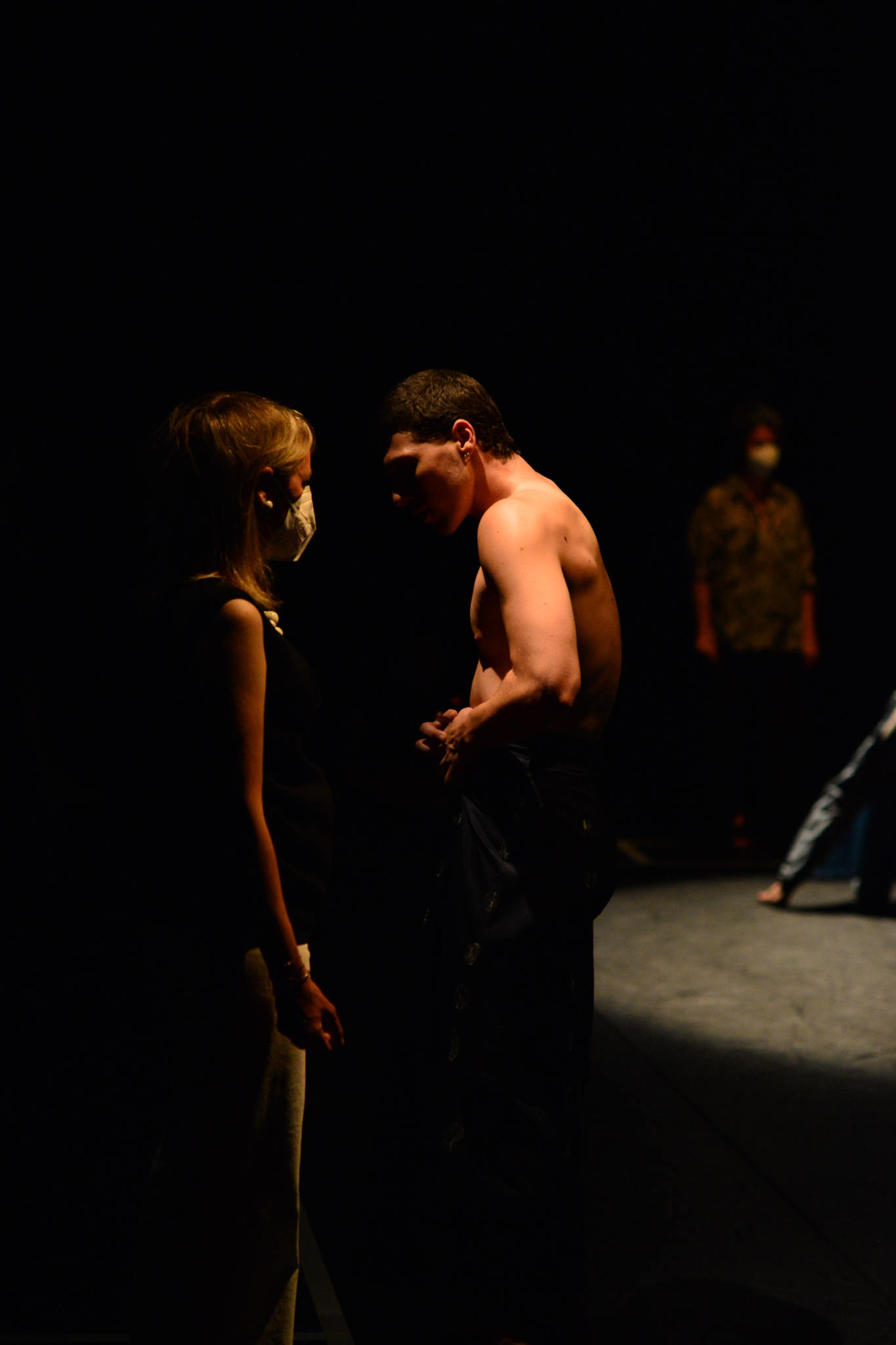
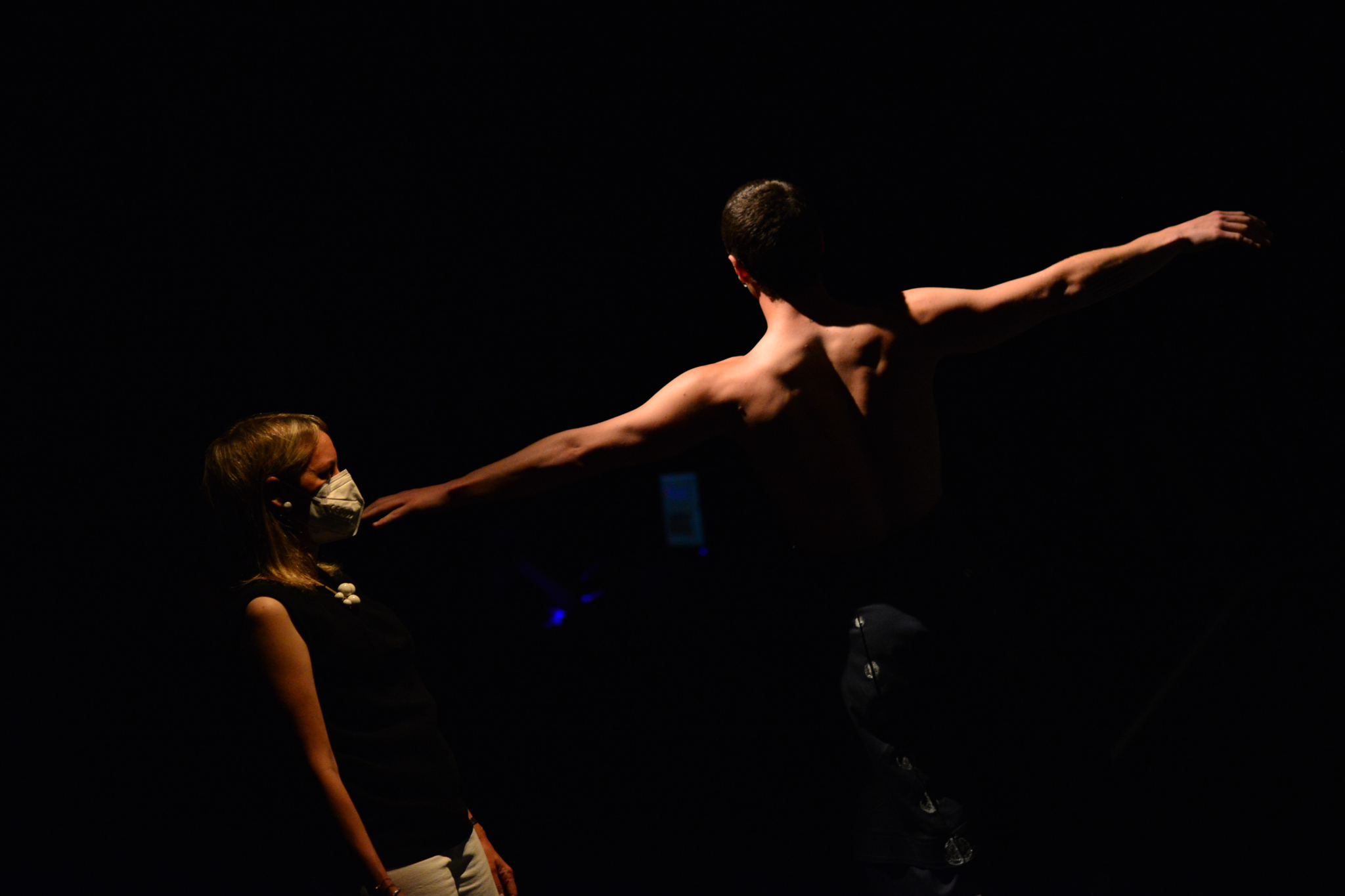
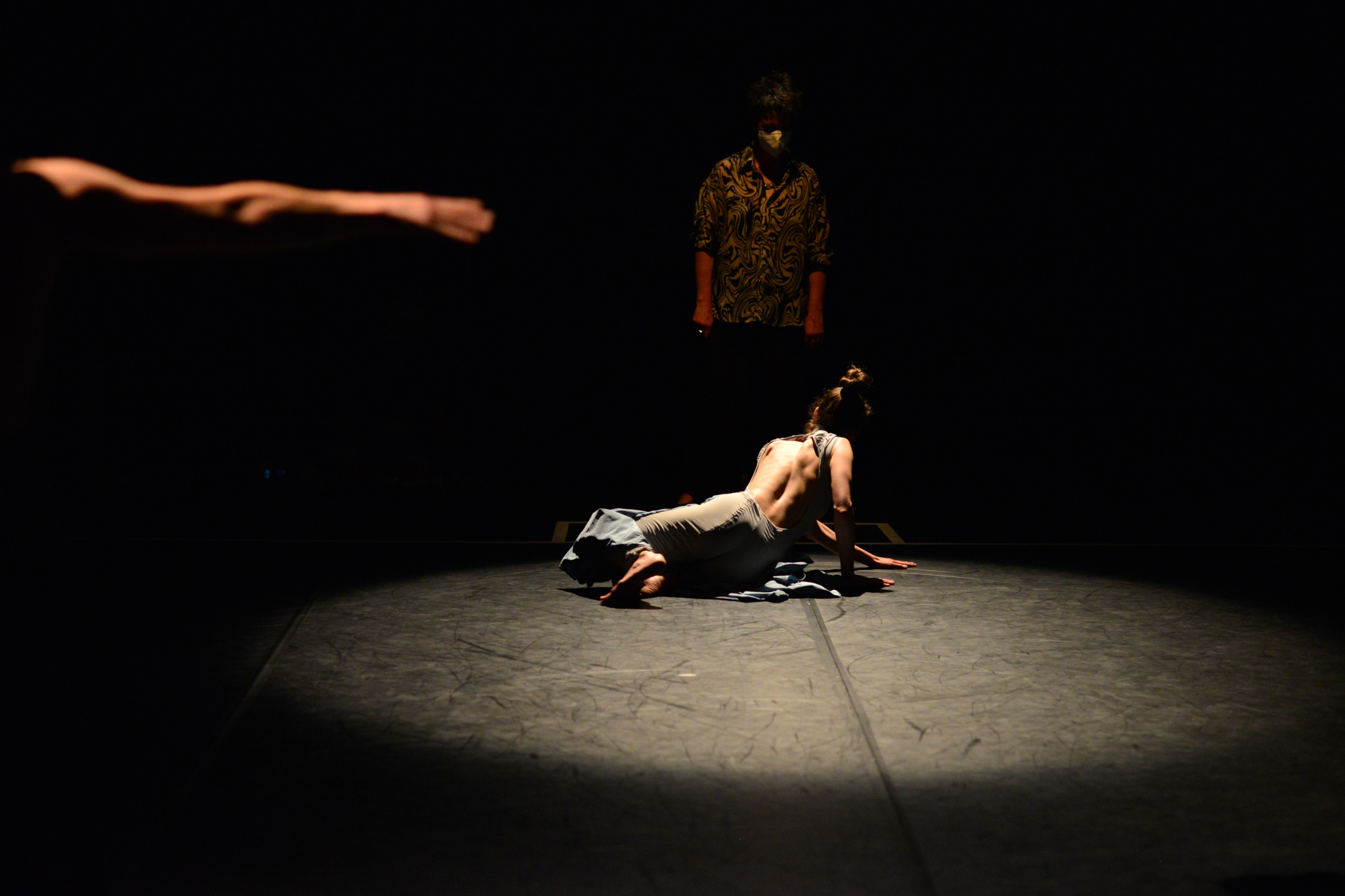
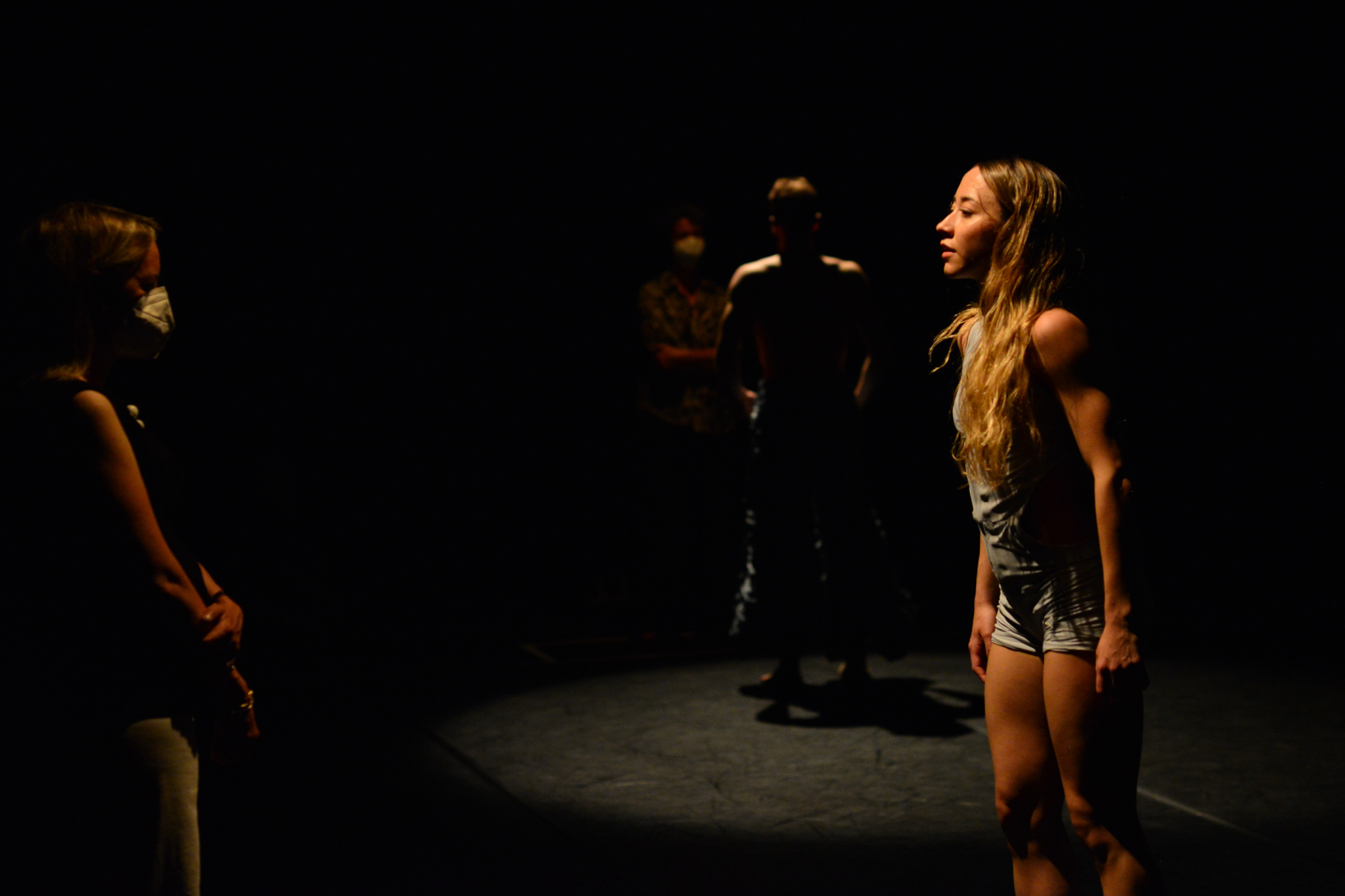
Tiny Uppercase. Our hidden sense is the first study of a two-year multidisciplinary creation project produced by Balletto Teatro di Torino and presented on 21 May 2022 at Lavanderia a Vapore in Collegno. Bringing together dance, music, research, and extended reality, the work invited four spectators at a time to cross physical and virtual worlds, transforming a performance into an intimate perceptual journey through the body, space, and time.

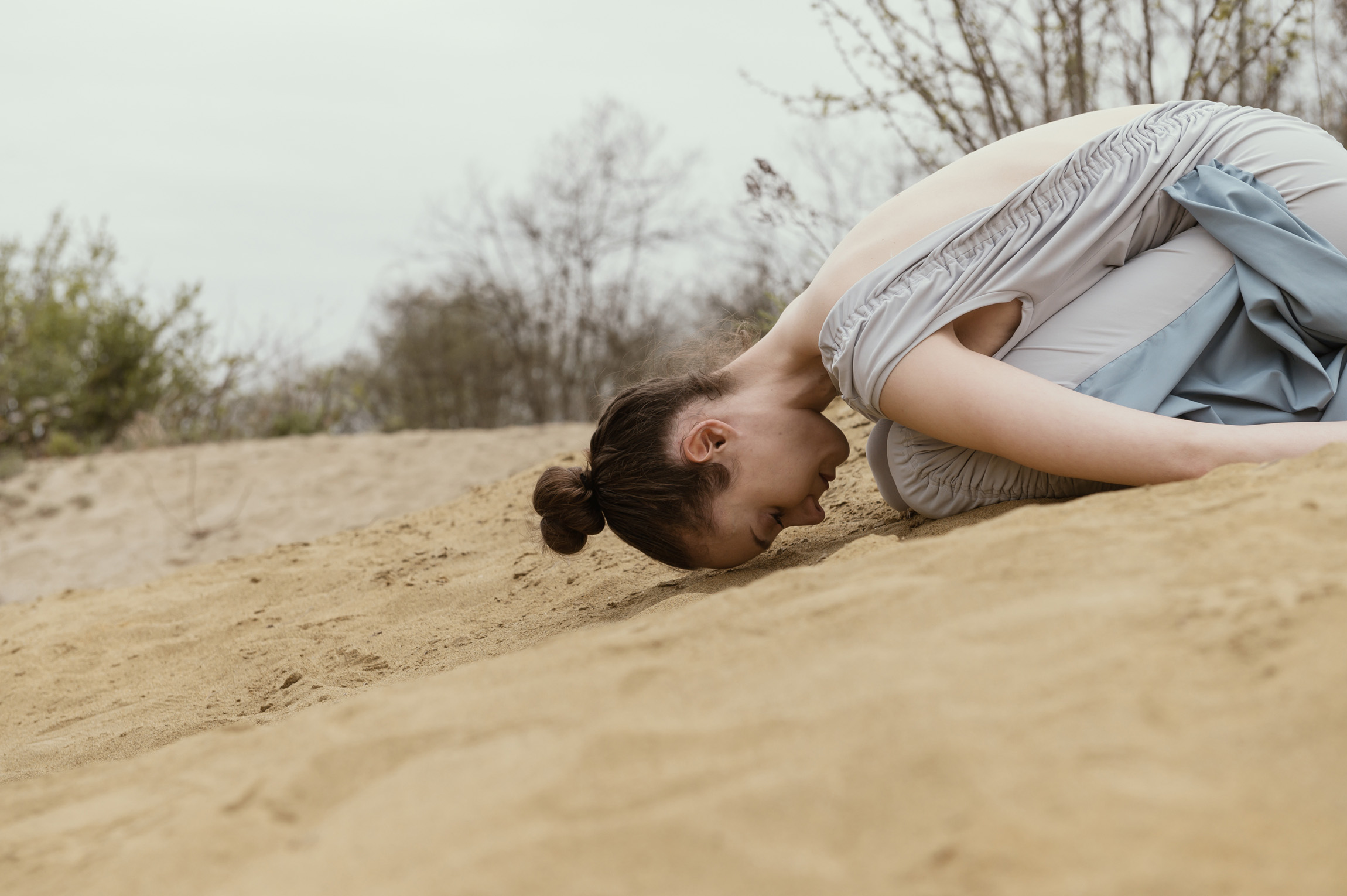
The research began during the Covid-19 emergency, when isolation, social distancing, and restrictions profoundly altered the way bodies occupied space and entered into relation with one another. Against this background, Tiny Uppercase set out to reimagine the perception of one’s own body, the bodies of others, and the surrounding world. Its “hidden sense” is proprioception: the continuous, mostly unconscious flow of information through which we perceive the position, tension, balance, and movement of the body and recognise it as our own.

Proprioception became both the subject of the work and its operative principle. The project asked how external conditions influence bodily perception; where the limits of the body are; whether a technological environment can produce the sensation of inhabiting another body; and whether experiencing another point of view can generate empathy. The body was approached not simply as biological matter but as a lived and relational body: the place through which identity is constructed and contact with others becomes possible.

The technological design, conceived by Vanessa Vozzo, connected recent practices in expanded and future cinema with social and cognitive research, performance, and dance. The system combined immersive cinema, real-time 360° streaming, augmented reality, and VR to experiment with embodiment and perceptual-sensory disorientation. Wearing a headset, the spectator could experience a sense of presence within a body and, above all, within a space different from their own. Sensory perception, temporality, and self-location were modified in real time through the friction between the physical surroundings, the streamed environment, and virtual elements.

This research continues the trajectory of Vozzo’s project Presence, initiated in 2019 with researchers and students from the Interface Culture master’s programme in Linz and first presented at Ars Electronica, then further developed within Officine Sintetiche. Within this broader body of work, Tiny Uppercase operates as a post-media practice: it does not treat VR, streaming, live performance, sound, and moving images as separate media, but combines them into a single relational dispositif. Technology is therefore neither an accessory nor a spectacular overlay. It mediates the senses, destabilises habitual perception, and becomes part of the dramaturgy through which presence and intimacy are produced.

The 2022 study was created through cycles of artistic and technical residencies and a transdisciplinary process in which choreography, multimedia and UX design, sound, lighting, costume, 360° cinematography, 3D modelling, technical art, and Unity development continuously influenced one another. A dedicated technical and network system developed by Francesco Strada enabled four spectators to participate simultaneously. Artists and dancers worked with professionals, lecturers, researchers, and selected students from the Politecnico di Torino, the University of Turin’s StudiumLab and CIRMA, Officine Sintetiche, and the European Design Institute of Turin.

By merging the tangible and the virtual, Tiny Uppercase sought to create an emotional connection between spectators and performers and to offer dance from a dynamic, continuously shifting perspective. The work proposes XR not merely as a new format for presenting performance, but as an interdisciplinary instrument for investigating reality, emotions, empathy, and the unstable boundaries between the self and the other.

Tiny Uppercase. Our hidden sense project 2022

Premiered at Lavanderia A Vapore (Collegno Turin Italy) 2022.

Tiny Uppercase. Our hidden sense
Credits and technical development · 2022 

Credits
Dancers of Balletto Teatro di Torino Lisa Mariani, Nadja Guesewell, Viola Scaglione, Flavio Ferruzzi, Luca Tomasoni
Artistic direction Viola Scaglione
Cultural project manager:Ewa Gleisner
Multimedia, visual & UX design Vanessa Vozzo
Soundscape design Max Viale
Choreographic score Gabriella Maiorino
Technical supervision & VR development Francesco Strada
Lighting design Simona Gallo
360° cinematography & post-production Mattia Meloni
3D modelling, technical art & Unity support Giuseppe Bruno, Giorgia Colombo, Vittorio Elia
Assistant to production and multimedia design Ana Carniti
Soundscape design assistance Luca Martone
Costume design Fashion Design, course in Fashion Design – European Design Institute, Turin, under the supervision of Ilaria Turchetti
Photography Federico Masini, Angelo Bellotti
Videomakers Margherita Dantini, Sara Saccottelli, Giuseppe Saccottelli

Partners and support
In collaboration with Istituto Musicale Città di Rivoli “G. Balmas,” within the season Scene dal Vivo 2021–22
In partnership with Officine Sintetiche; Interdepartmental Research Center on Multimedia and Audiovisual (CIRMA), University of Turin / StudiumLab; ICM College (Cinema and Communication Media Engineering), Politecnico di Torino; European Design Institute, Turin
With the support of Fondazione Compagnia di San Paolo – leading sponsor
With the contribution of Ministero della Cultura; Regione Piemonte; Comune di Torino / Torino Arti Performative; Fondazione CRT


Technical development

The first study was developed through an extended cycle of artistic and technical residencies. Its custom XR system combined real-time 360° live streaming with a networked multi-headset architecture. A 360° camera captured the performance environment and transmitted the live stream in real time to four VR headsets connected to the same network. This enabled four spectators to experience the live 360° feed simultaneously while moving through an environment in which physical, streamed, and virtual spaces were layered together. The production brought together multimedia and UX design, VR and network development, 360° cinematography and post-production, 3D modelling, technical art, Unity support, lighting, soundscape design, and production assistance.

The technological framework grew out of experimentation in extended reality, immersive cinema, real-time 360° streaming, and transmedia writing initiated by Vanessa Vozzo in 2018 and subsequently developed within Officine Sintetiche. Its implementation required the integration of the 360° camera and live-streaming pipeline with four networked VR headsets and the Unity-based virtual components. The technical and network system was developed by Francesco Strada in collaboration with a multidisciplinary team drawn from the Politecnico di Torino, the University of Turin / StudiumLab, and external professionals, with the involvement of selected students.